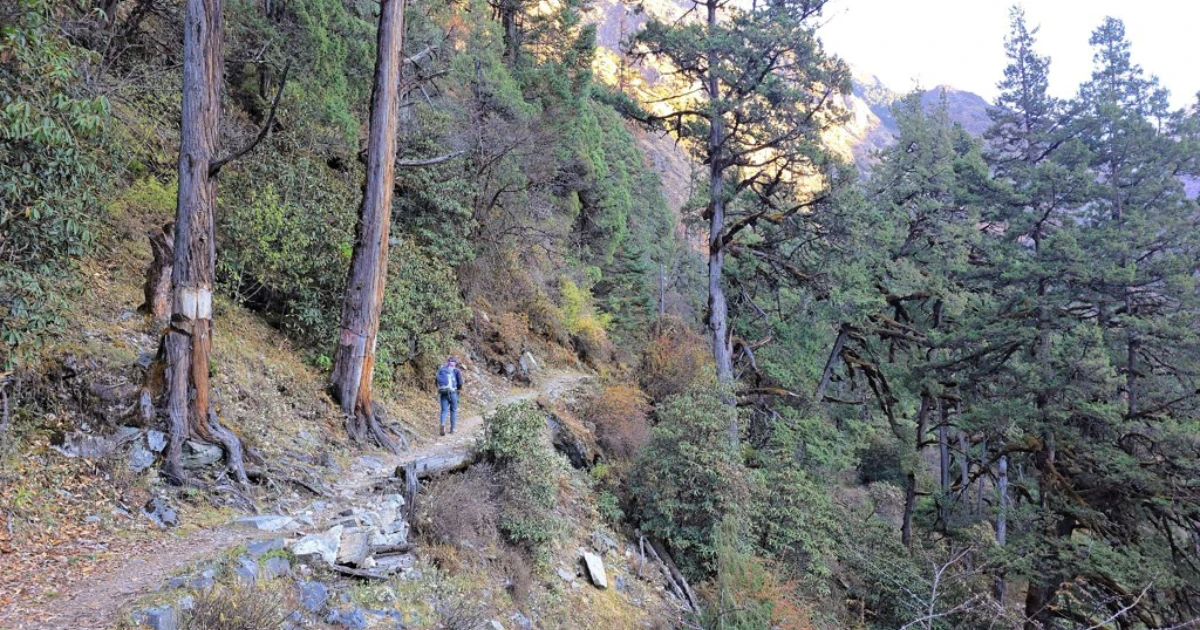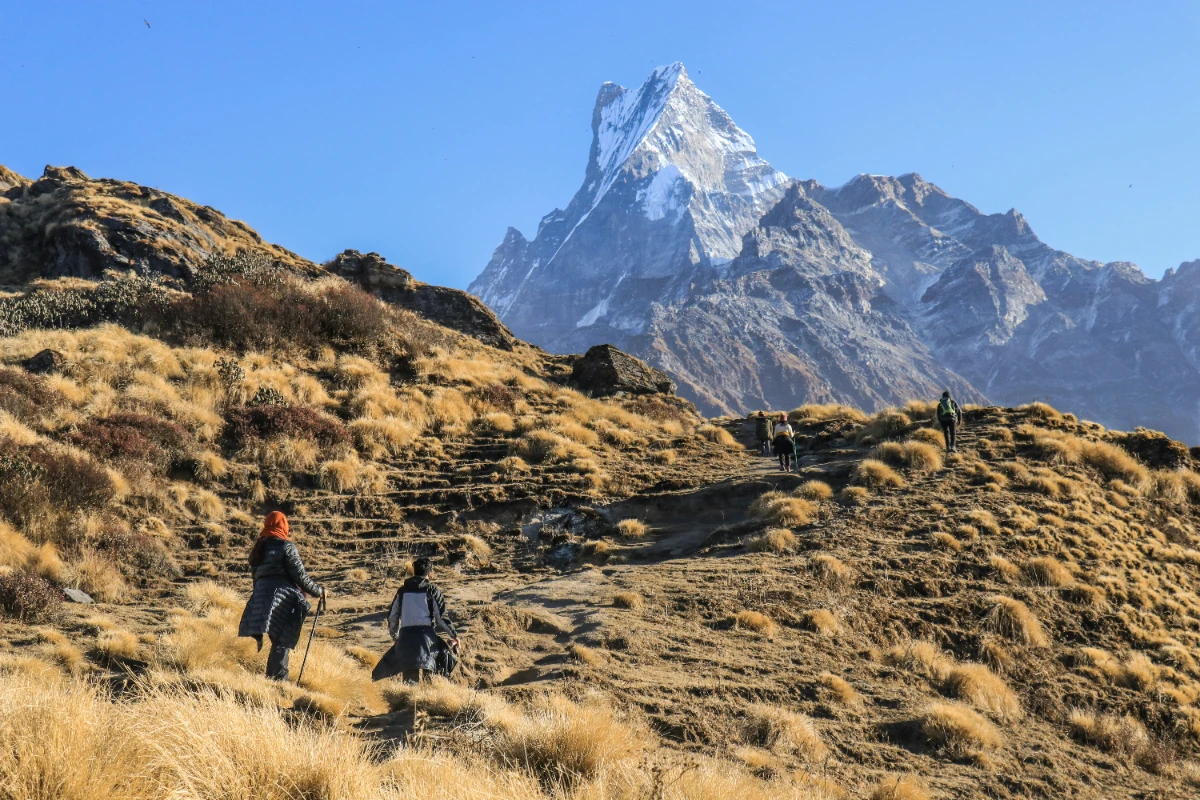
There are treks in Nepal that test your lungs, steep, relentless ascents that demand every ounce of your physical stamina.
And some treks test your ego, routes where the altitude or the distance serves as a trophy for those who need to prove something to themselves.
Then there are monastery treks. These are different. They are journeys that don't just challenge your body; they quietly, firmly, and permanently rearrange something inside you.
In 2026, Buddhist monastery trekking in Nepal is undergoing a profound shift. We are witnessing the rise of the "Himalayan Reset." Travellers are moving away from the frantic obsession with daily mileage and the "peak bagging" culture of the past decade. The 2026 trekker isn't asking how far they went today, but how deeply they listened.
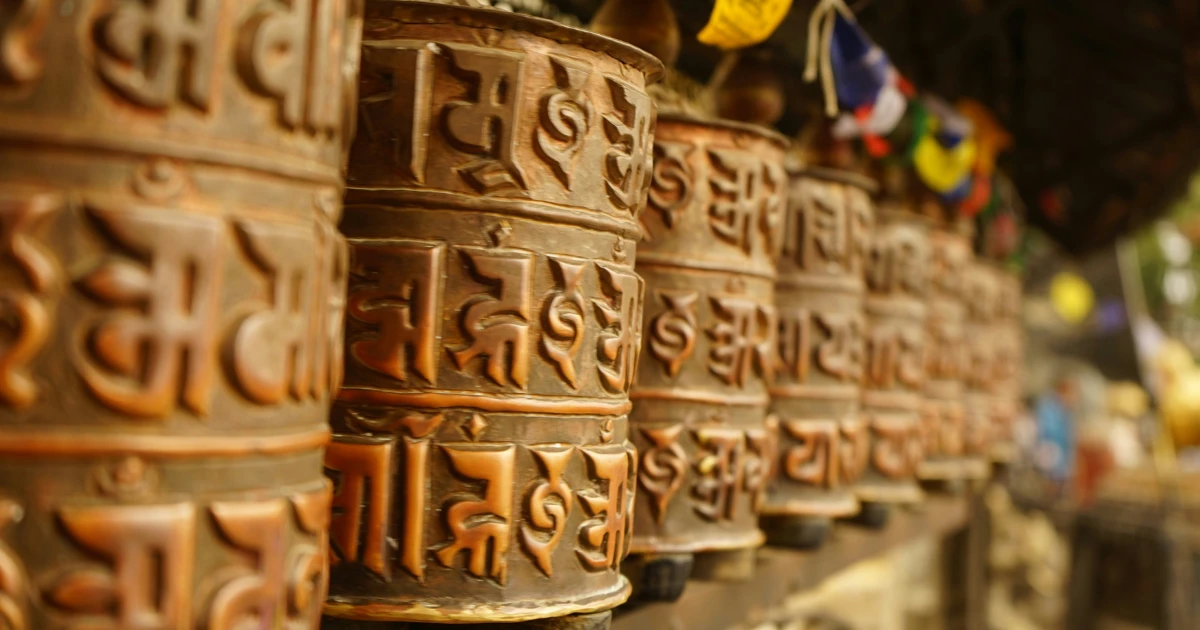
It is a move toward a more contemplative pace: spending an afternoon in a sun-drenched gompa courtyard watching the debate of monks, waking up at 4:00 AM not to beat the heat, but to witness the low, resonant chanting of the morning puja, and realising that a prayer wheel turned with intention is just as significant as a mountain pass crossed.
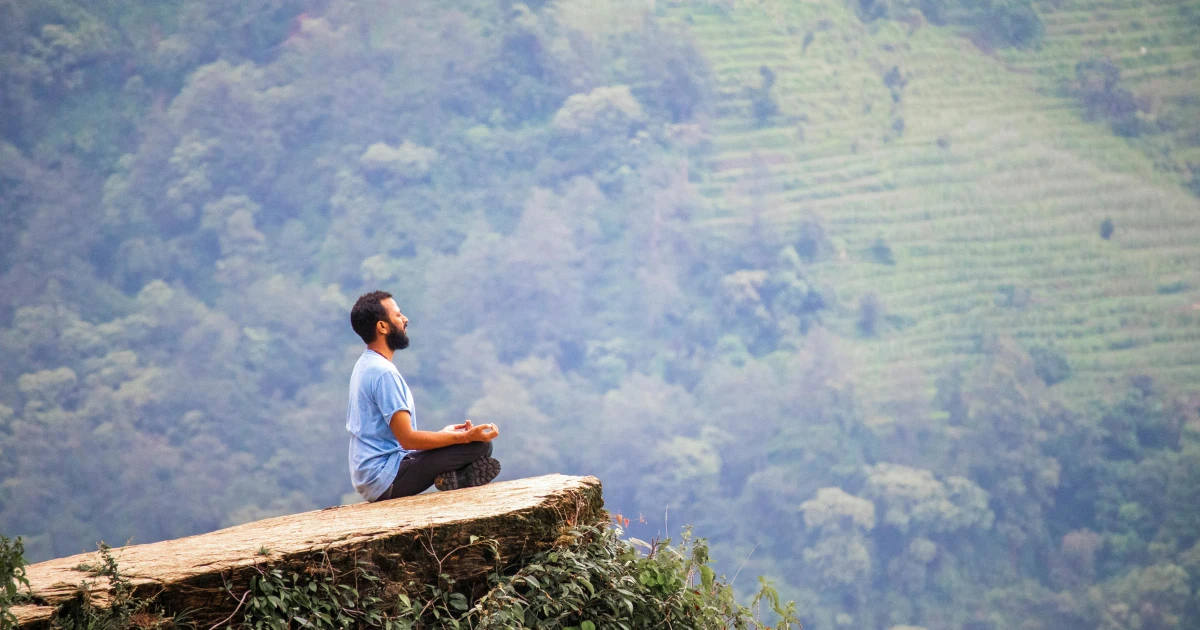
If you are coming to Nepal for something more substantial than a checklist or a summit photo, if you are looking for a landscape that mirrors an internal stillness, these are the 5 routes that matter for 2026.
The Spiritual Context: Why Monastery Treks Matter
Before you lace up your boots or finalise your route, you must understand a fundamental truth. In the Himalayas, you are not visiting attractions. You are entering active, living religious communities.
To walk these trails is to step into a world where the spiritual and the physical are not just related. They are inseparable. Here is why a monastery trek requires a different mindset than a standard mountain hike.
1. Entering a Living Sanctuary: The Shyagya Tradition
In places like the Tsum Valley, the spiritual atmosphere isn’t just a feeling. It is a community-wide ethical code known as Shyagya.
Since 1920, the Tsumbas have adhered to a formal decree of non-violence (Ahinsa). This isn’t symbolic. It is a century-old promise that has turned the valley into a solitary sanctuary. As a trekker, you must realise that:
- No Killing: All life is sacred. Fishing, hunting, and slaughtering are strictly prohibited.
- The Quiet Impact: Even harsh speech or aggressive shouting is discouraged. The valley operates on a frequency of compassion. When you enter, your role is to harmonise with that frequency rather than disrupt it.
2. The Beyul: Hidden Lands of Guru Rinpoche
Many of the valleys you will traverse, such as Rolwaling, Langtang, and Tsum, are considered Beyul. In Tibetan Buddhism, a Beyul is a "Hidden Land" specifically blessed and sanctified by Guru Rinpoche in the 8th century.
The legend says these valleys were sealed as spiritual refuges to be revealed only when the outside world became too chaotic for spiritual practice. Whether you view this as a literal truth or a profound metaphor, the psychological effect is undeniable. There is a perceptible shift when you cross the threshold into a Beyul. The air feels thinner but cleaner. The landscape seems more intentional. You are walking through a landscape that millions believe is a physical bridge to a higher state of being.
3. A Tale of Two Buddhisms: Tibetan and Newari
Depending on your route, you will encounter two distinct spiritual lineages.
In the high altitudes of Mustang and the Khumbu, you encounter Tibetan Vajrayana Buddhism. This is the world of the Gompa, the red-robed monk, and the high-plateau aesthetics. It is grand, austere, and deeply tied to the rhythms of the mountains.
In the mid-hills and Kathmandu, you find Newari Buddhism. This is a ritual-heavy fusion unique to the Kathmandu Valley. It is more artistic, featuring intricate woodcarvings and bronze work, often blending seamlessly with Hindu traditions. It is the Buddhism of the Bahal (courtyard) rather than the remote mountain ridge.
Why This Matters for Your Trek
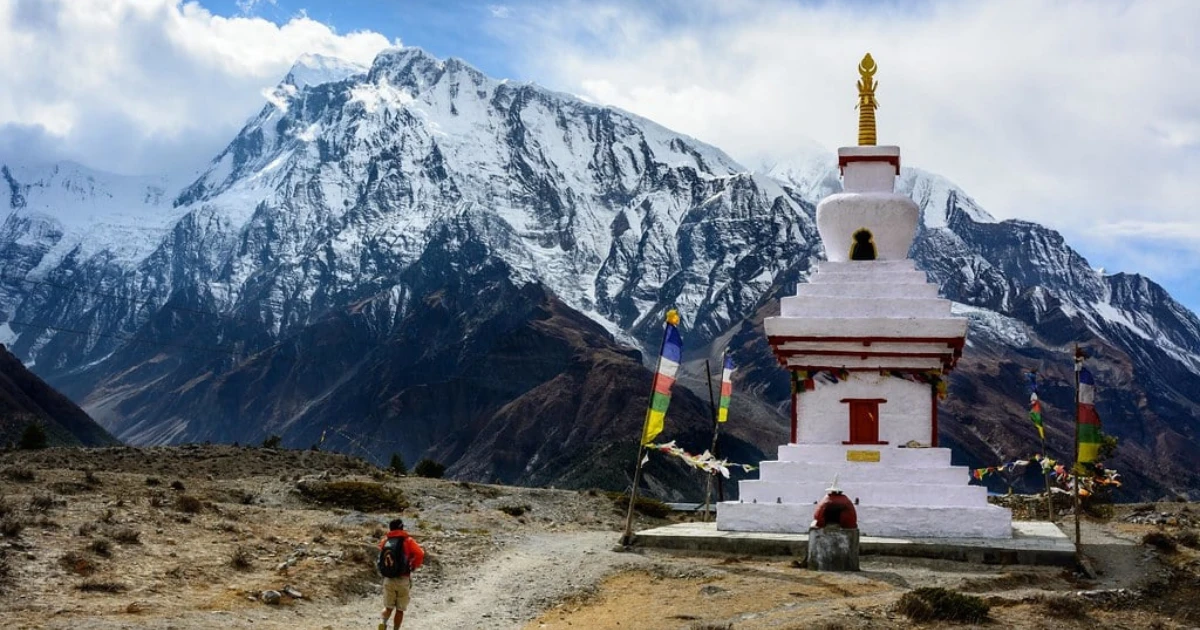
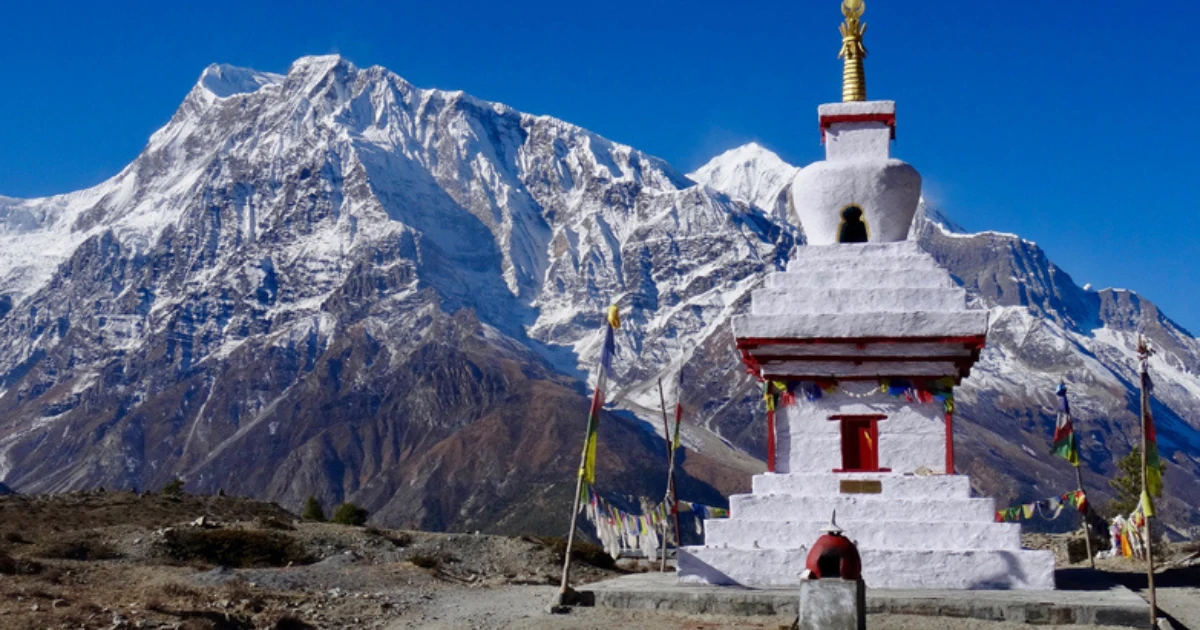
Understanding this context changes your journey from a hike to a pilgrimage. You stop looking at the map and start looking at the Mani stones. You realise that walking clockwise around a stupa isn’t just a local custom. It is a way of aligning your physical movement with the path to enlightenment.
In 2026, we don't just want you to see the monasteries. We want you to understand why they were built in these precise, impossible places to begin with.
1. Upper Mustang: The Walled Kingdom of Silence
Upper Mustang feels less like modern Nepal and more like a perfectly preserved chapter of Old Tibet. The landscape here is a desert of red rock and wind-sculpted cliffs, where the monasteries are the literal and figurative anchors of the community. The most significant site is Lo Gekar, also known as Ghar Gompa. It is widely believed to be the oldest monastery in Nepal, dating back to the 8th century. Inside, the air is thick with the scent of burning butter lamps and the weight of history. You will find faded murals that have outlived empires and a stillness that is increasingly rare in the modern world. Within the walled city of Lo Manthang itself, you can explore centuries-old gompas that remain vibrant centres of ritual life.
By 2026, the logistics of this region have evolved. With expanded 4x4 road access, we now offer a Monastery Overland option. This allows you to drive the longer, more arduous road sections and save your energy for walking the sacred village circuits. It is a strategic way to preserve your knees for meaningful exploration rather than spending days on dusty highways. If you are timing your visit for the Tiji Festival, which runs from 14 to 16 May in 2026, you will witness three days of masked dances reenacting the triumph of good over demonic forces. Because this is a restricted area, you must secure a special permit and book at least six to nine months in advance to ensure access during the festival.
2. Tsum Valley: The Sacred Beyul
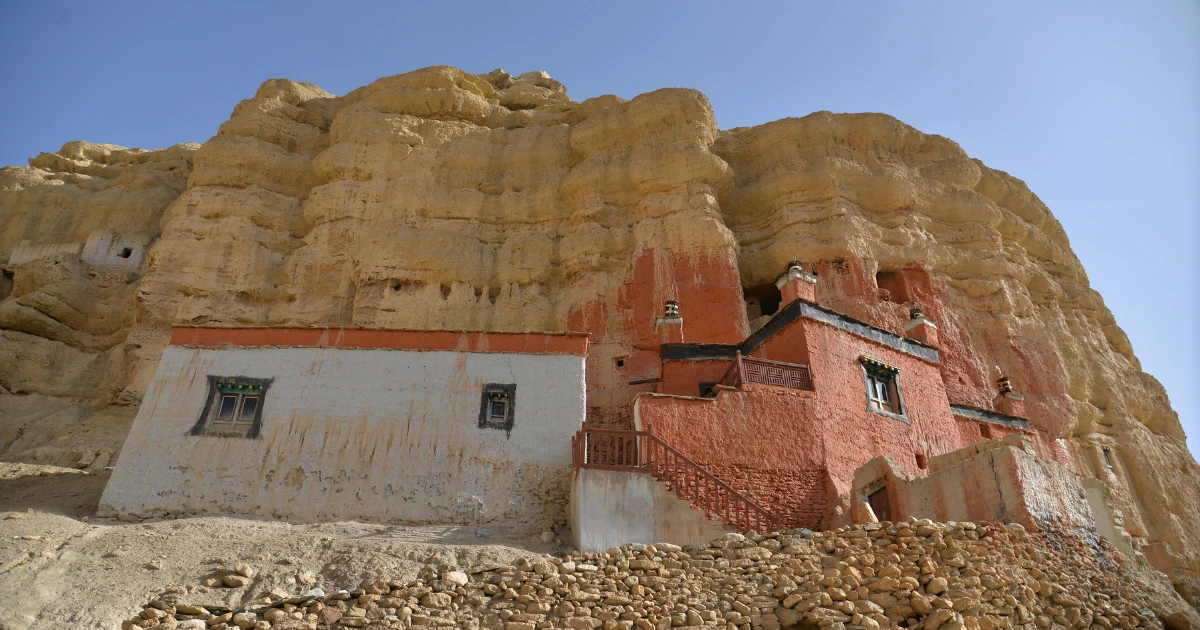
While the masses crowd the main Manaslu Circuit, very few take the detour into the Tsum Valley. That is a significant mistake for the spiritual traveller. Tsum is widely regarded as one of the last living sacred valleys of the Himalayas and a true Beyul. At 3,700 metres stands Mu Gompa, the spiritual heart of the region. Here, you are not a mere observer of performance tourism. You can stay overnight, join the monks for their morning chanting, and observe a monastic rhythm that has remained unchanged for generations. This land is also deeply associated with Milarepa, the 11th-century yogi who spent years meditating in the local caves.
In 2026, Tsum Valley remains a restricted area, which has successfully prevented mass infrastructure from taking hold. Many of the monasteries here operate as low-tech zones with limited mobile signal and electricity. This is a place where you will hear the wind more than the hum of Wi-Fi. It offers a rare opportunity for digital detoxification in a landscape that demands your full presence.
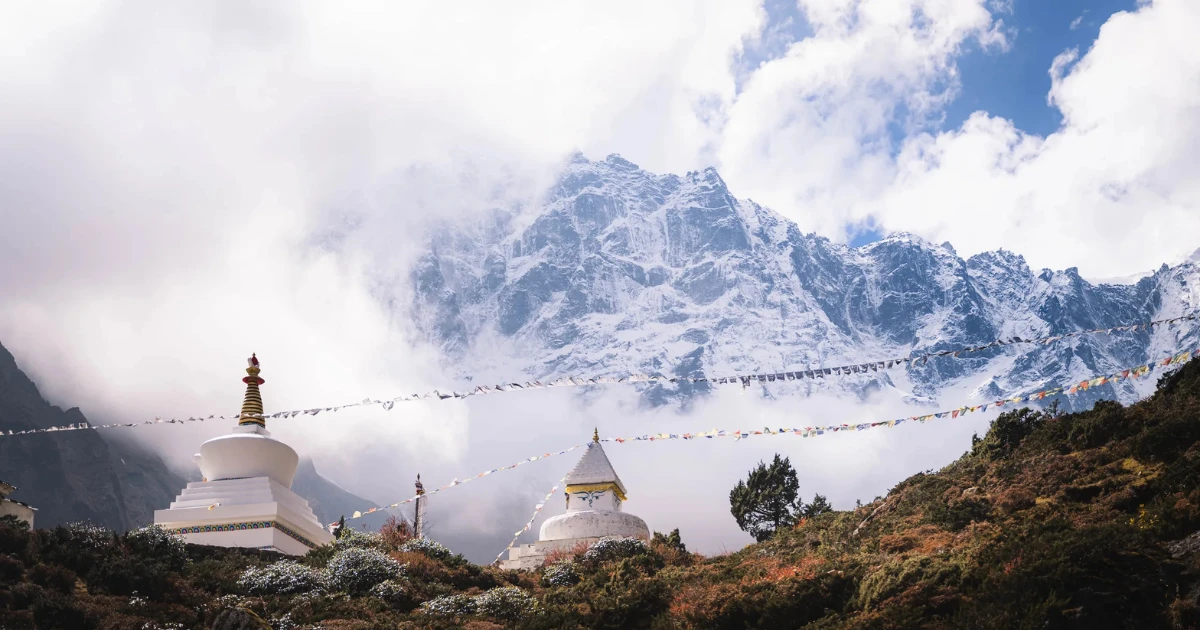
3. Tengboche and the Khumbu Spiritual Circuit
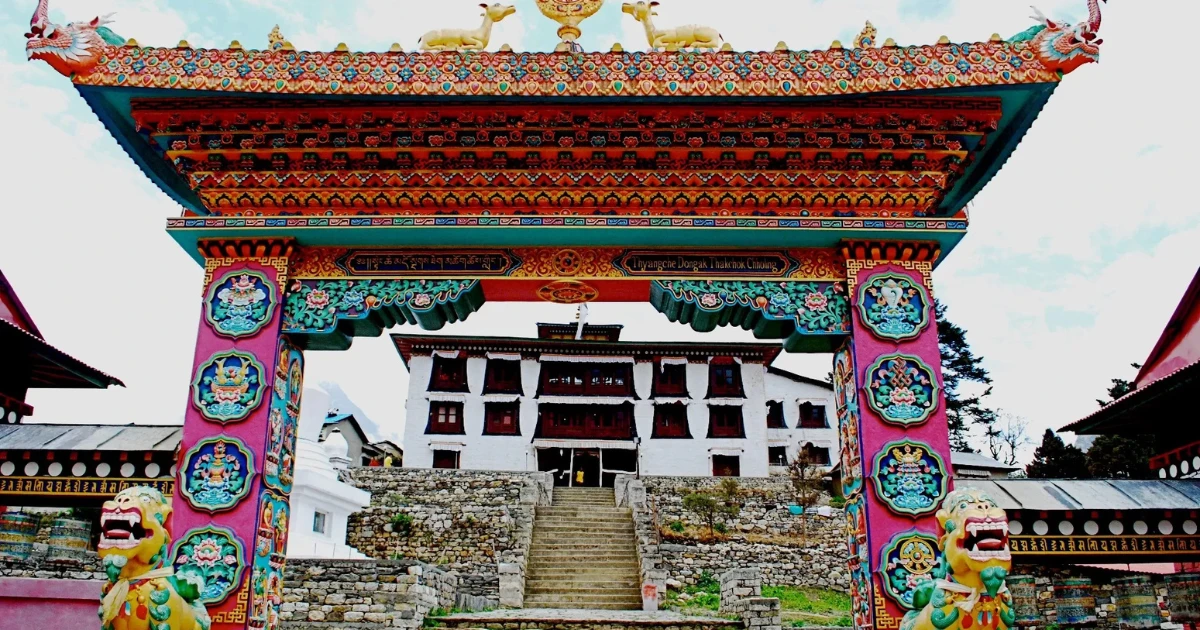
No Himalayan spiritual journey is complete without the silent, towering presence of Everest. The monastery that anchors Sherpa spiritual life in this region is Tengboche. This is the sacred ground where climbers have traditionally received blessings before their summit attempts. One of the most profound experiences here is attending the afternoon Puja. As the sunlight fades behind Mount Everest and Ama Dablam, the chanting of the monks echoes across the valley. It is often less dramatic than people imagine, but the quiet power of the ceremony is undeniable.
For 2026, we have introduced senior and comfort upgrades to make this iconic site more accessible. To avoid the traditional, strenuous trek from Lukla, itineraries can now include a helicopter transfer to Syangboche. From there, you can enjoy gentle descent walks to the monastery villages and stay in luxury lodges located near the gompas. This approach significantly reduces physical strain without reducing the spiritual depth of the experience.
4. Pangboche, Thame and Lawudo: The Hidden Khumbu Gems
While Tengboche attracts the most fame, those seeking a deeper connection should consider expanding their journey to the hidden gems of the Khumbu. Pangboche Monastery is historically known for its alleged yeti relics and is one of the oldest permanent settlements in the valley. Further west lies Thame Monastery, which is quieter and sees far fewer trekkers. Above Thame, you can find Lawudo Gompa, a meditation retreat site built around a cave once used by revered lamas. These are not merely boxes to be ticked on a checklist. They are lived-in spaces where the devotion is palpable, and the solitude is profound.
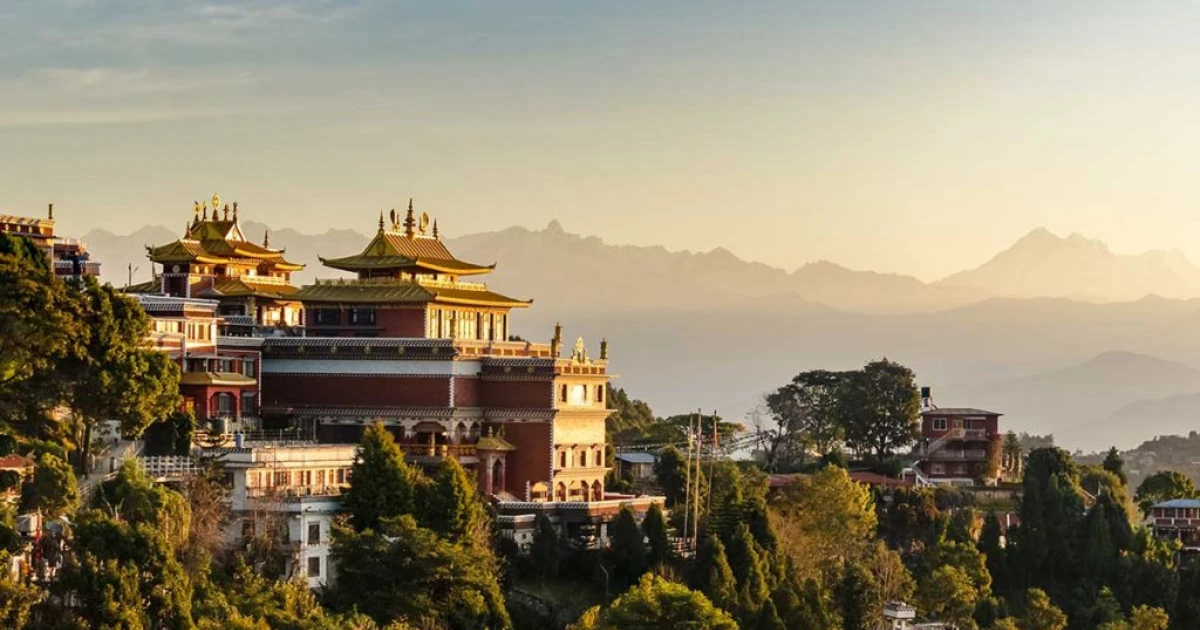
5. Namo Buddha and Pharping: Spiritual Depth Without Altitude
For travellers with limited time or those who are sensitive to high altitudes, the Kathmandu Valley offers extraordinary sites that rival the high mountains in spiritual density. Namo Buddha is a sacred hill that commemorates the story of Prince Mahasattva, who famously fed his own body to a starving tigress and her cubs. Nearby stands the impressive Thrangu Tashi Yangtse Monastery. In 2026, monastery immersion stays have become more structured, offering guest wing accommodation and vegetarian communal meals. This allows you to participate in morning prayers and monastic life with absolutely no altitude risk.
South of the city lies Pharping, a major pilgrimage site for practitioners of Tibetan Buddhism. It is home to the revered Asura Cave and various tantric heritage sites. Pharping is ideal for one or two-day spiritual retreats or meditation-focused travel. With private SUV access available for senior travellers, it provides a seamless way to access profound spiritual heritage while maintaining a high level of comfort.
2026 Logistics You Need to Know
Navigating the logistics of a Himalayan trek in 2026 requires a bit more foresight than in years past. From digital shifts in how permits are issued to the mandatory requirement for professional guides, the landscape has changed to prioritise safety and local employment.
The Move to Digital Permits (E-TIMS)
The era of paper booklets and waiting in long queues at the Nepal Tourism Board is officially over. In 2026, Nepal has fully transitioned to a Centralized Digital Trekking Portal. The old physical TIMS card has been replaced by the Digital TIMS (E-TIMS), which is now a QR code stored on your phone. Every time you pass a checkpoint, such as Monjo in the Everest region or Birethanti in Annapurna, your code is scanned. This allows authorities to track your position in real-time, a vital safety feature during unpredictable weather or monsoon seasons.
New Restricted Area Regulations
For those heading to Upper Mustang or the Tsum Valley, the rules for Restricted Area Permits (RAP) have become more flexible but remain strict on companionship.
- The "Two-Trekker" Rule: You still need a minimum of two foreign trekkers to secure these permits. However, couples can now apply as a pair without needing a third "ghost" member.
- Mustang’s Daily Rate: As of 2026, the government has moved away from the fixed 10-day minimum for Upper Mustang. You now pay a flat rate of 50 USD per day for exactly the number of days you spend in the restricted zone.
- Tsum Valley Fees: These remain seasonal, with permits costing roughly 40 USD per week during the autumn peak and 30 USD during the spring and winter.
The Mandatory Guide Policy
As of the current 2026 season, the "No Solo Trekking" rule is strictly enforced across all national parks and restricted areas. You must be accompanied by a licensed, government-certified guide affiliated with a registered agency. A porter without a guide license cannot legally act as your primary escort for permit verification. This ensures that if a trail is blocked by a blizzard or a trekker falls ill, there is a professional on-site to coordinate immediate satellite communication and helicopter evacuation.
Avoiding the Manthali Diversion
The seasonal flight diversion from Kathmandu to Manthali (Ramechhap) remains a reality in 2026 for those heading to Lukla. During the peak months of April and October, the Kathmandu airport becomes too congested, forcing trekkers into a five-hour midnight drive to catch their flights.
- The Helicopter Alternative: To bypass this exhausting journey, many of our clients now choose to fly directly from Kathmandu to Lukla by helicopter.
- Reliability: While more expensive, helicopters are far more reliable in 2026 and can often fly when fixed-wing planes are grounded by cloud cover.
Mandatory Insurance Requirements
Insurance is no longer just a suggestion; it is a prerequisite for permit issuance in 2026. Your policy must be uploaded to the digital permit portal before your trek begins. It is essential that your insurance covers heights up to 6,000m and includes emergency helicopter evacuation. In 2026, helicopter companies are increasingly stringent about verifying a "Guarantee of Payment" from your provider before they will even start their rotors.
Frequently Asked Questions: Buddhist Monastery Trekking in 2026
If you are planning a spiritual journey through the Himalayas, you likely have questions about the intersection of high-altitude trekking and monastic life.
1. Do I need to be a practising Buddhist to go on a monastery trek?
Not at all. These journeys are open to anyone with an interest in culture, history, or personal reflection. The monasteries are active community hubs that welcome visitors of all faiths. The only requirement is a respectful attitude. Whether you are there for a religious pilgrimage or simply to appreciate the ancient art and the profound silence, the experience remains equally welcoming.
2. Can I actually stay overnight inside a monastery?
In 2026, several monasteries established formal guest wings for travellers. Places like Namo Buddha near Kathmandu and Mu Gompa in the Tsum Valley offer basic but clean accommodation. You will usually sleep in a simple room and eat vegetarian meals in the communal dining hall alongside the monks. In more remote areas, you will stay in a nearby village teahouse and visit the monastery for morning and evening prayers.
3. What is the appropriate etiquette when entering a prayer hall?
The most important rule is to remove your shoes before entering any temple or prayer hall. Once inside, you should move in a clockwise direction. Avoid wearing hats or sunglasses indoors, and try to sit with your legs crossed or tucked under you; it is considered disrespectful to point your feet towards the altar or a lama. If you wish to leave a small donation, place it on the altar or in the designated donation box.
4. Is photography allowed inside the monasteries?
In 2026, rules regarding photography have become more specific. Generally, you are free to take photos of the monastery exterior and courtyards. However, photography is strictly prohibited inside many main prayer halls to preserve the sacred atmosphere and protect ancient murals from flash damage. Always ask your guide or a resident monk for permission before taking a photo of a person or a religious ritual.
5. How much physical fitness is required for these routes?
Monastery treks vary significantly in difficulty. A trip to Namo Buddha or Pharping is accessible to almost anyone with basic mobility. However, routes like Upper Mustang or Tsum Valley involve walking at altitudes above 3,500 metres. While we design these as "slow-flow" treks with shorter daily distances, you should be comfortable walking on uneven terrain for four to five hours a day.
6. What should I wear when visiting sacred sites?
Modesty is the golden rule. Both men and women should ensure their shoulders and knees are covered. A lightweight scarf or pashmina is a versatile item to carry, as it can be used to cover up quickly before entering a temple. Even in the heat of the lower valleys, avoid wearing tank tops or short shorts when visiting religious sites.
7. What is the significance of the white scarves (Khatas)?
A Khata is a traditional silk scarf that symbolises purity and goodwill. You will often see them draped over statues or offered to lamas. If you have a private audience with a Rinpoche or a senior monk, it is customary to present a Khata as a sign of respect. Your guide can help you purchase these in Kathmandu or at the start of your trek and show you the proper way to offer one.
Essential Monastery Etiquette (Non-Negotiable)
Planning a spiritual trek in 2026 is about more than just physical preparation. It is about understanding the unspoken rules of the sacred spaces you are about to enter. These are not merely suggestions; they are the foundations of respectful travel in the Himalayas.
1. Clockwise Always
The most fundamental rule of Buddhist geography is that the sacred centre must always be on your right. Whether you are walking around a village stupa, a mani wall covered in carved mantras, or the exterior of a monastery, you must always move in a clockwise direction. This ancient practice is a physical manifestation of following the path of the sun and aligning oneself with the natural order of the universe. Even if the path to the left looks shorter, stay to the right.
2. Digital Fasting
In 2026, many remote monasteries have officially designated themselves as Low-Tech Zones. This is a response to the increasing intrusion of modern technology into quiet, contemplative spaces. Before you enter a monastery gate, silence your phone and stow it away. Drone flights are strictly prohibited in and around religious sites, as the noise and presence are considered deeply disruptive to both the monks and the local wildlife. If you must film or record, do so with a small, non-intrusive camera and only with explicit permission from the head lama.
3. Dress and Conduct
Modesty serves as your greatest sign of respect when entering a religious community. Both men and women should ensure that their shoulders and knees are fully covered. In the mountain air, this is rarely an issue of temperature, but rather one of decorum. Before stepping inside a temple or prayer hall, always remove your hat and sunglasses. Furthermore, while the red-robed monks are often a highlight of the journey, you must ask before photographing them. Most are happy to oblige, but treating them as human beings rather than tourist attractions is the key to a meaningful interaction.
4. Altitude Is Still Real
It is important to remember that spiritual intent does not negate your physiology. You may be in the Himalayas for a mental or emotional reset, but your body still has to process the thin air. Once you rise above 3,500 metres, the risk of altitude sickness is a biological reality. We religiously follow acclimatisation protocols, and we ensure that medical-grade oxygen backups are available on all our monastery treks. A spiritual journey is best experienced when you are feeling physically strong and clear-headed.
In 2026, the smartest travellers are choosing to do fewer kilometres and more immersion. The mountains have always been there, but the way we experience them is changing. We are moving away from the culture of the hurried hike and toward the concept of the intentional journey.
This means choosing to sit through a full morning Puja, listening to the resonant drone of the long horns, instead of racing to reach the next village before noon. It means asking your guide about the intricate symbolism in a thangka painting or the meaning behind a specific mantra instead of simply photographing it and moving on. We encourage you to spend one more night at the monastery, waking up to the smell of incense and the sound of bells, instead of pushing your body to cross the next ridge.
The Himalayas do not reveal their secrets to speed. They reveal themselves to patience. If you are planning a Buddhist monastery trek in Nepal for 2026, we invite you to design it around meaning rather than mileage. You will find that the less you rush, the more you actually see.
The mountains are waiting. And this time, you are going to actually enjoy them.
For more details on our 2026 spiritual itineraries, reach out to us at [email protected] or call us at +977 9802342080.