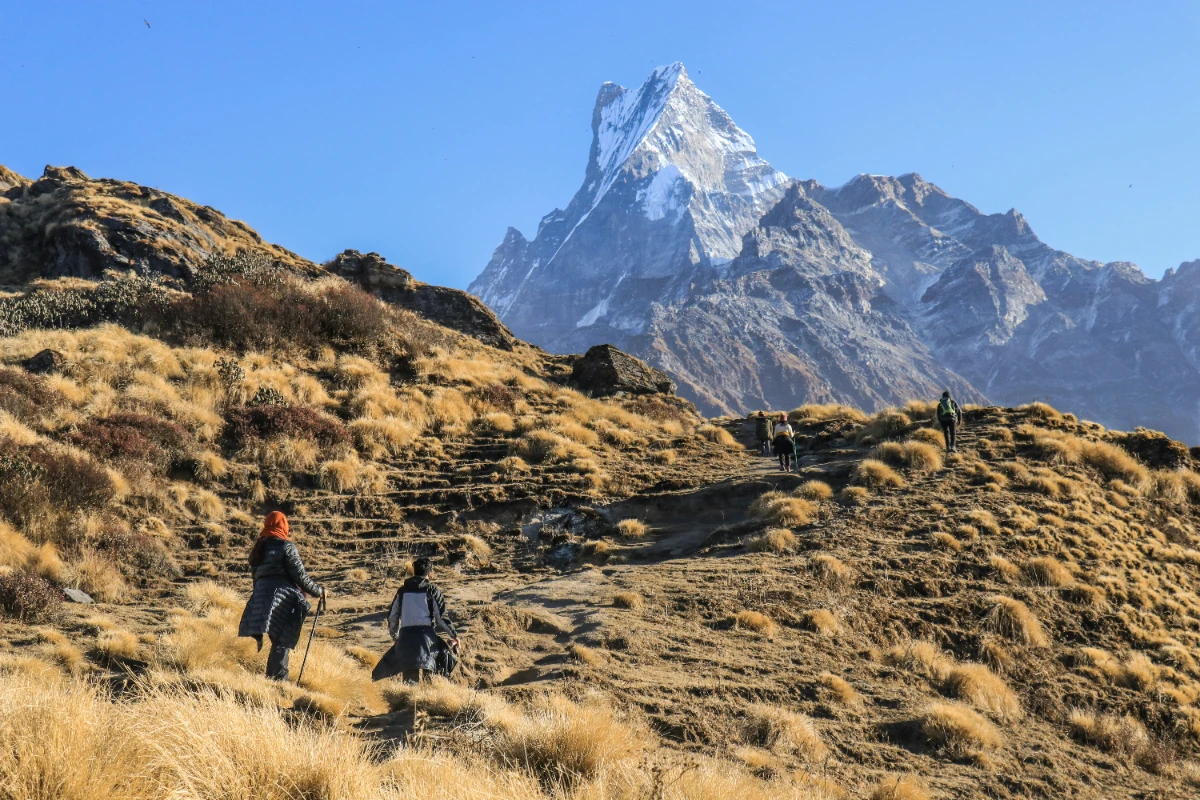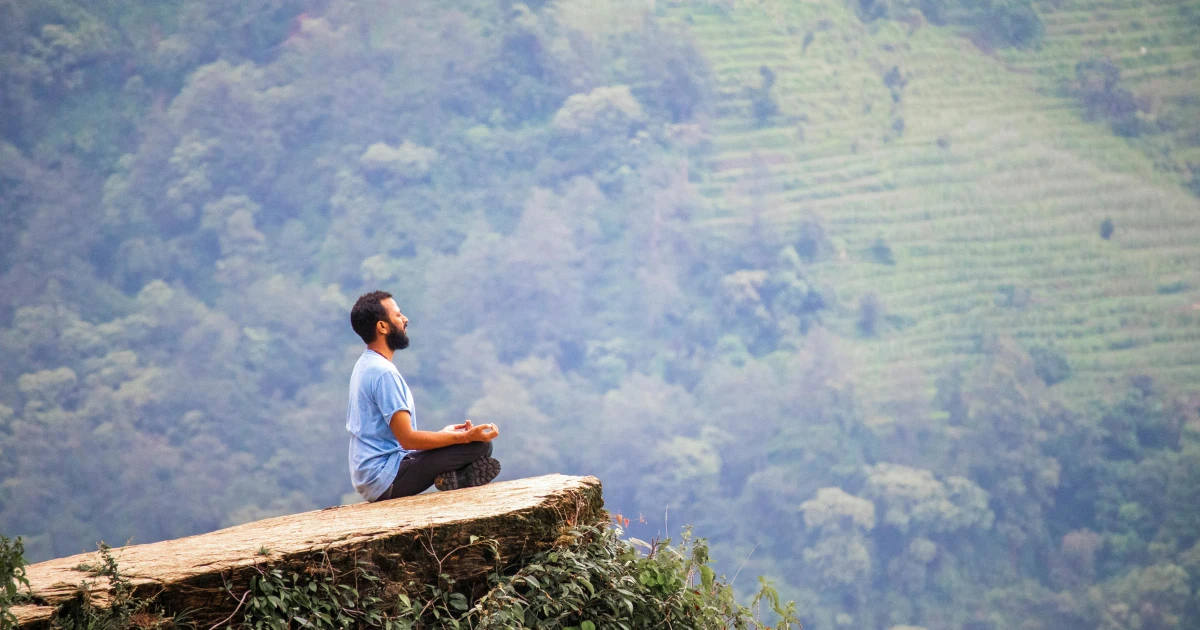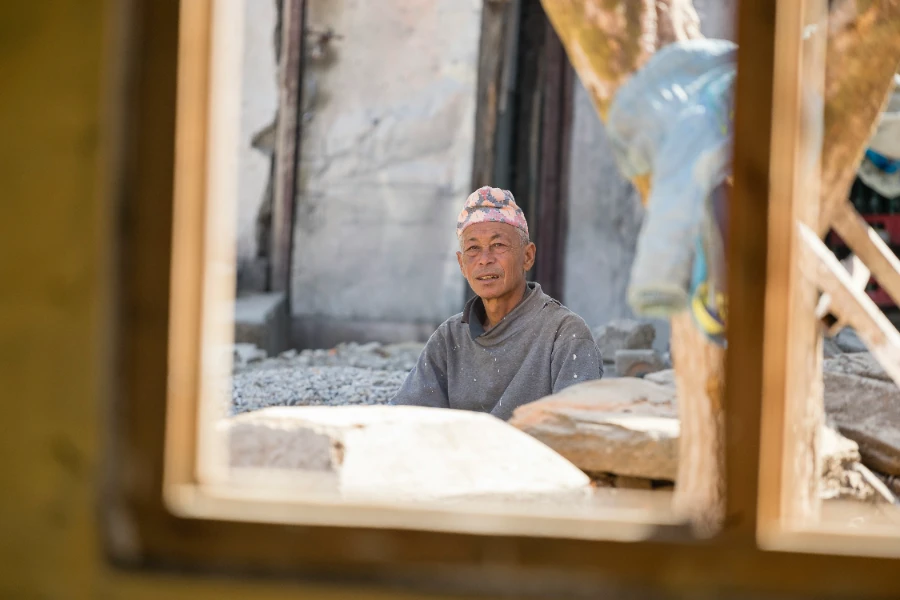
There is a persistent myth that the Himalayas are only for twenty-somethings who enjoy sleeping on plywood and eating nothing but instant noodles. If you are over 60, you might have been told that your "trekking days are behind you," or that the thin air is a young person's game.
At Hiking Nepal, we disagree. In fact, we think trekking in your 60s, 70s, or 80s is actually the superior way to experience the mountains. Why? Because by now, you have likely realised that the goal isn't to be the first person to the top of the pass: it is to be the person who actually remembers what the sunrise looked like because they weren't too exhausted to open their eyes.
1. The "Private Guide" Advantage: Why Pacing is Everything
When you sign up for a large group trek, you are essentially entering a low-stakes infantry unit. There is a start time, a finish time, and a middle section where everyone tries to look like they aren't struggling while secretly checking their watch every five minutes. In a group of twelve, the itinerary is set by the person who forgot to train or the person who runs marathons. Both are equally stressful for everyone else.
At Hiking Nepal, we think your vacation shouldn't feel like a middle school track meet. Here is why the "Private Guide" model is the only way to actually see the Himalayas without losing your mind or your meniscus.
The "Slow-Flow" Pacing: Biology Over Boardrooms
Most trekking itineraries are written by people sitting in offices at sea level. They see a map and think "seven miles seems reasonable for a Tuesday." But at 3,500 meters, seven miles is not a distance. It is a series of negotiations between your lungs and your legs.
With a private guide, the itinerary is a conversation. If you wake up and your knees feel like they are made of dry kindling, we change the plan. We might walk for two hours and decide that a specific sun-drenched teahouse in Pangboche is exactly where we need to spend the afternoon. This isn't "failing" the trek. It is succeeding at being a human who enjoys their life. We call this "Slow-Flow" pacing. It allows your body to acclimatise naturally because you aren't red-lining your heart rate just to keep up with a 24-year-old from Berlin.
2026 Health Tech: The Silent Safety Net
In the old days, a guide would look at you and ask if you had a headache. If you said "no" because you were stubborn, that was the end of the medical check. In 2026, we have better tools than just your pride.
Our guides use integrated wearable tech to monitor what your body is doing behind the scenes. We track your Heart Rate Variability (HRV) and your overnight oxygen saturation (SpO2) through non-invasive sensors. If your Garmin or Apple Watch shows that your recovery score is tanking, your guide will see it before you even feel the first throb of altitude sickness. We use this data to make objective decisions. If the tech says you need a rest day, we take a rest day. It takes the "ego" out of the equation and replaces it with science.
The Cultural Bridge: More Than Just a Human GPS
Anyone with a smartphone and a solar charger can find the path to Everest Base Camp. The trail is literally a giant line of yak manure and stone steps. You don't hire a private guide to find the path. You hire them to find the stories.
A private guide is your cultural liaison. They are the ones who know that the lodge owner in Phakding just had a grandson, or why that specific Mani stone is carved with that specific mantra. They aren't just pointing at a mountain and saying the name. They are introducing you to the people who live in the shadow of that mountain. They make sure the kitchen knows you prefer your ginger tea with a little less sugar. They ensure that when you walk into a village, you aren't just a tourist. You are a guest.
2. Top Senior-Friendly Routes for 2026
For a senior traveller in 2026, a "trek" is not a survival mission. It is an exercise in curated immersion. At Hiking Nepal, we specialise in the logistics that turn a gruelling hike into a high-altitude stroll.
Here is the deep dive into our top three senior-friendly routes, including the tactical details that make them work for your body and your bucket list.
1. The Pikey Peak Trek: Easy trek for the 50+ age group
If Everest Base Camp is a busy highway, Pikey Peak is a scenic backroad. Sir Edmund Hillary loved this view for a reason: from the 4,065-meter summit, you see Everest, Lhotse, and Makalu in one frame, but you do it from a distance that lets you appreciate their scale.
Why it works for Seniors:
- The Ascent Profile: Unlike the Khumbu Valley, which features "Himalayan flats" (which are actually steep hills), Pikey Peak follows gentle, undulating ridgelines.
- The SUV Advantage: We start the trip with a private SUV from Kathmandu to Dhap. This avoids the unpredictable Lukla flights and the tiny, vibrating Twin Otter planes.
- Cultural Slow-Down: We spend extra time in Junbesi. This is a traditional Sherpa village that hasn't been "tourist-ified." The walk to the Thupten Choling Monastery is flat and spiritual, providing a perfect active recovery day.
Deep-Dive Itinerary:
- Day 1: Private SUV to Dhap (2,850m). We skip the public bus madness. You arrive at your lodge fresh, not "road-weary."
- Day 2: Hike to Jhapre. The trail is wide and follows a ridgeline with constant views of the Numbur Himal.
- Day 3: Pikey Base Camp. We walk through old-growth rhododendron forests. In Spring, the trail is literally carpeted in red and pink petals.
- Day 4: Summit & Junbesi. We hit the summit for sunrise (4,065m). It is a non-technical walk. We then descend to Junbesi for a celebratory Sherpa stew.
- Day 5: Junbesi Rest/Culture. We visit the local school and monastery. No heavy packs today.
- Day 6: Phaplu. A gentle downhill through pine forests to the local airstrip.
- Day 7: 30-minute flight back to Kathmandu.
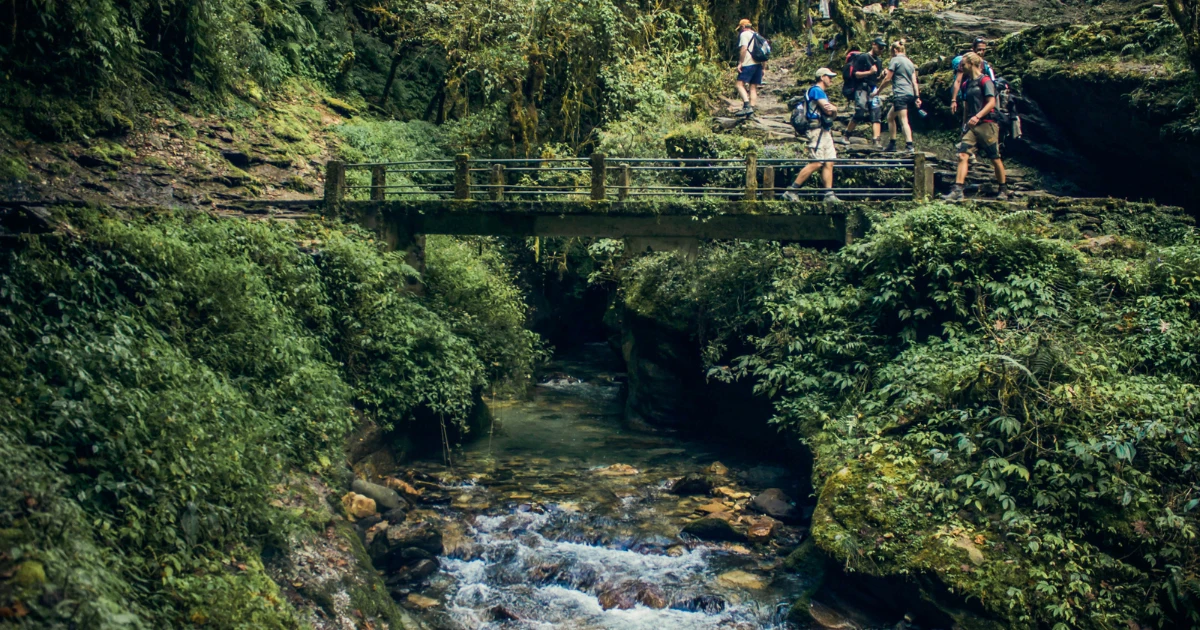
2. Everest Luxury Lodge Trek for the older age group
This is for the traveller who wants to see the top of the world but has no interest in sleeping in a room that feels like a walk-in freezer. By utilising the Yeti Mountain Home and Everest Summit Lodge networks, we turn the Khumbu into a boutique hotel experience.
Why it works for Seniors:
- Joint Preservation: In 2026, the standard return from Everest involves a long, knee-crunching descent. Our luxury program uses a helicopter for the return. You walk up to see the views and fly down to save your joints.
- The "Manthali" Bypass: Most Lukla flights now depart from a remote airport five hours from Kathmandu. Our luxury guests bypass this entirely with a direct helicopter from Kathmandu to Lukla.
- Standard of Living: These lodges feature en-suite bathrooms, hot running water, and electric blankets. Sleeping well is the best way to prevent altitude sickness.
Deep-Dive Itinerary:
- Day 1: Direct Heli to Lukla. Walk to Monjo (2,835m). You stay at the ESL Monjo, which has a beautiful organic garden.
- Day 2: Namche Bazaar (3,440m). We take five hours for a three-hour walk. Your guide carries the oxygen and the tea.
- Day 3: Acclimatisation at the Everest View Hotel. We walk up for a three-course lunch while staring directly at Everest.
- Day 4: Tashinga. This lodge is perched on a quiet ridge away from the main trail. It is the definition of Himalayan peace.
- Day 5: Tengboche. We visit the most famous monastery in Nepal for the 3:00 PM prayers, then return to the comfort of Tashinga.
- Day 6-7: Gentle return to Lukla with a stop in Phakding.
- Day 8: Morning helicopter flight back to Kathmandu.
3. Annapurna Panorama for Senior Citizens
The Annapurna region is famous for its "3,000 stairs" at Ulleri. For a twenty-year-old, it is a rite of passage. For a senior, it is a reason to call a physical therapist. In 2026, we use modern road expansions to skip the pain.
Why it works for Seniors:
- Vertical Assistance: We use private 4x4 jeeps to drive to Kimche (just below Ghandruk). This cuts out the hardest 48 hours of uphill climbing.
- Low Altitude: The entire trek stays below 3,210 meters. This means your sleep is better, your appetite stays strong, and your risk of AMS (Acute Mountain Sickness) is almost zero.
- The Hot Spring Finish: We end the trek at Jhinu Danda. There are natural riverside hot springs here that are perfect for soothing tired calves before the drive back to Pokhara.
Deep-Dive Itinerary:
- Day 1: Pokhara to Ghandruk via Jeep. We drive most of the way and walk the final 45 minutes into the most beautiful Gurung village in Nepal.
- Day 2: Ghandruk Exploration. We spend the day learning about the Gurkha soldiers who call this village home.
- Day 3: Tadapani. A forest walk through "Old Man's Beard" moss and rhododendrons. It feels like a fairy tale.
- Day 4: The Grand Finale. A sunrise hike to a secret viewpoint (less crowded than Poon Hill) followed by a descent to the Jhinu hot springs.
- Day 5: New Bridge & Drive. We cross one of the longest suspension bridges in the region (safely!) and meet our jeep for the drive back to Pokhara.
3. The 2026 Logistics: Manthali and Helicopters
If you are browsing Instagram, trekking looks like a series of pristine mountain vistas. If you are actually planning a trip for 2026, you will eventually run into a word that sounds like a spice but feels like a logistical puzzle: Manthali.
Because Kathmandu’s airport is currently busier than a New York subway at rush hour, the Civil Aviation Authority of Nepal has diverted almost all fixed-wing flights to Lukla to Manthali Airport (Ramechhap). This is a small airstrip located about 132 kilometres east of the capital.
For the average trekker, this means a 2:00 AM wake-up call and a five-hour drive in a shared van that feels like being inside a paint shaker. For our senior clients, we have two ways to delete this "adventure" from your itinerary.
Option A: The Luxury Road Trip (SUV + Stopover)
We don't believe in the 2:00 AM departure. It’s bad for your sleep cycle and even worse for your mood. Instead, we turn the transfer into a legitimate part of the vacation.
- The Private SUV: We ditch the shared micro-bus for a private 4x4 with actual legroom and modern suspension. You leave Kathmandu at a civilised hour (around 10:00 AM) and enjoy the drive along the BP Highway, which is arguably the most beautiful road in Nepal.
- The Mulkot Stopover: Instead of driving straight to the airstrip, we stop in Mulkot. We book you into the Taj Riverside Resort or the Kwality Beach Resort. These are the only premium properties in the area. You can have a nice dinner, sleep in a real bed, and wake up at 6:00 AM for a short, 20-minute drive to the airport.
- The Benefit: You arrive at the Lukla flight line refreshed and ready to walk, rather than feeling like you just survived a marathon before the trek even started.
Option B: The Helicopter Bypass (The Gold Standard)
If you want to skip the BP Highway entirely, the helicopter is your best friend. In 2026, this is no longer just a luxury: it is a strategic health decision.
- Direct from Kathmandu: A private or shared helicopter takes off from the domestic terminal in Kathmandu and lands in Lukla 45 minutes later. There is no five-hour drive. There is no Manthali.
- The Aerial View: Fixed-wing planes have tiny windows and fly a specific line. Helicopters have "bubble" windows and fly a lower, more intimate route. You will see the terraced hills of the midlands and the white wall of the Himalayas in a way that no aeroplane can provide.
- Reliability: Helicopters can often fly when fixed-wing planes are grounded by low clouds. If you have a tight schedule or just want to minimise the chance of a "wait-and-see" day at the airport, this is the way to go.
2026 Logistics Comparison: Manthali vs. Helicopter
| Feature | Standard Transfer | Luxury SUV + Mulkot | Helicopter Bypass |
| Wake-up Time | 2:00 AM | 7:00 AM | 7:00 AM |
| Travel Time | 5-6 Hours (Drive) | 5 Hours (Relaxed) | 45 Minutes |
| Comfort Level | Low (Shared Van) | High (Private SUV) | Elite (Aerial) |
| Est. Cost | $30 - $50 | $150 - $250 | $500 - $600 (Shared) |
4. Health, Safety, and "The Knee Factor"
Safety for senior trekkers in 2026 isn't just about "being careful"; it's about managing the biological reality of high-altitude travel. We focus on two primary pillars: Oxygen Management and Joint Protection.
1. Altitude Management: The 2026 Standard
In 2026, the standard "budget" itinerary is increasingly aggressive, often pushing trekkers from Lukla to Everest Base Camp in 9 days. For seniors, this is a dangerous pace. Our protocols prioritise your physiology:
- The "Namche Buffer": While standard tours stay two nights in Namche Bazaar (3,440m), our senior-friendly itineraries often add a third night. This extra 24 hours is the "magic window" where your body significantly increases its red blood cell count, making the subsequent days to 4,000m+ significantly easier.
- The Khumjung Pivot: Instead of staying in the busy, loud bowl of Namche, we often move our clients to Khumjung (3,790m) for their second acclimatisation night. It is higher, quieter, and follows the "Climb High, Sleep Low" rule perfectly if you spent the day at the Everest View Hotel.
- Heart Rate Variability (HRV) Monitoring: As part of our 2026 tech suite, your guide monitors your HRV trends. If your HRV drops sharply, it’s a leading indicator of fatigue or impending AMS—even if you feel "fine." We use this data to recommend a rest day before symptoms appear.
2. The Knee Factor: Joint Preservation
Descending in the Himalayas is harder on the body than ascending. Gravity turns every stone step into a shockwave for your patella.
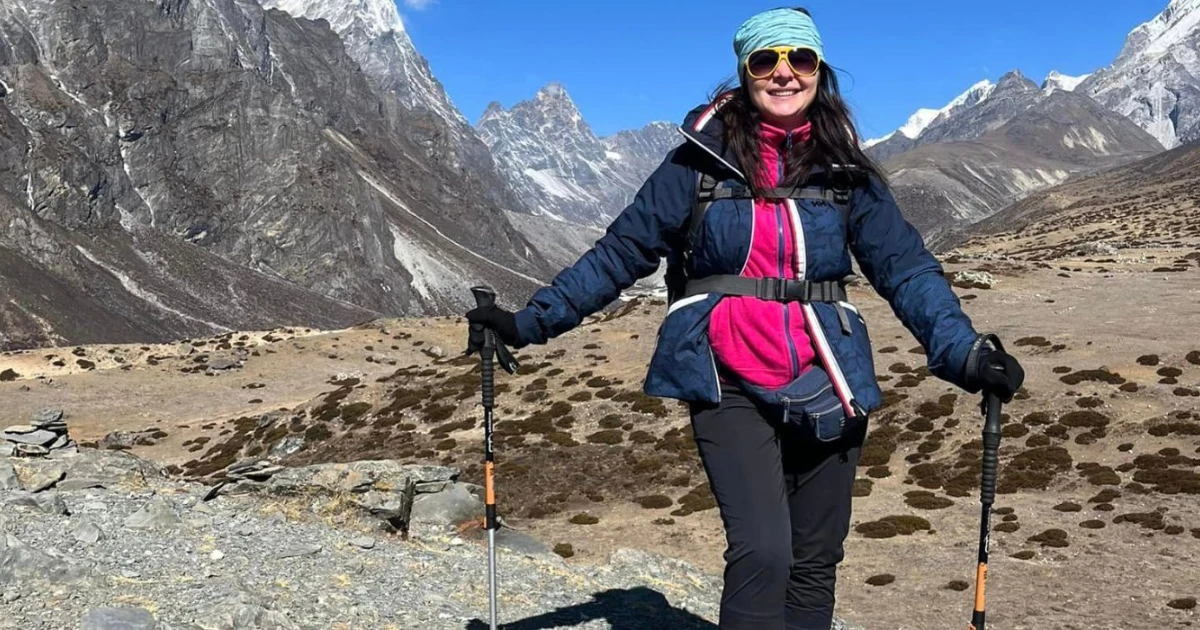
- The Two-Pole Mandate: Using two trekking poles is non-negotiable for our senior treks. Clinical studies show that poles can reduce the compressive force on your knees by up to 25%, especially on steep descents. This is the equivalent of "taking 15 pounds off your back" with every step.
- Strategic Jeep/Heli Use: We identify the "knee-killer" sections—like the 3,000-step stone staircase in Annapurna or the final descent from Namche to Lukla—and offer Jeep or Helicopter extractions to skip the high-impact zones.
3. Medical Prophylaxis: Diamox & Beyond
We recommend that every senior trekker have a "High-Altitude Consultation" with their doctor before arrival.
- Acetazolamide (Diamox): This is a respiratory stimulant, not a mask for symptoms. It acidifies the blood, which triggers your brain to breathe deeper and more frequently, especially while you sleep. In 2026, the medical consensus for seniors is often a prophylactic low dose (125mg twice daily) starting 24 hours before reaching 2,500m.
- Oxygen on Standby: On all private senior treks, our guides carry supplemental oxygen. In 2026, we use lightweight composite cylinders that are easier for our porters to carry, ensuring that if you do hit a "wall" at 4,000m, we have the tools to help you descend safely.
Senior Trekking FAQ: What You’re Actually Searching For
Is there an age limit for trekking in Nepal?
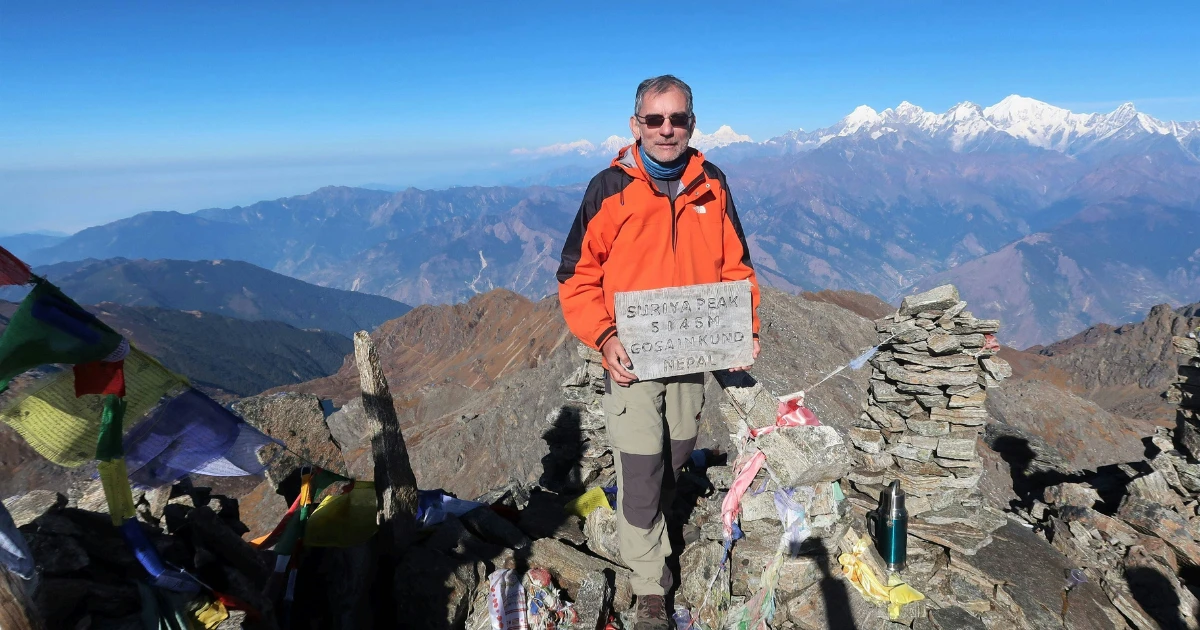
No. We have successfully guided trekkers in their late 80s. The "limit" is your physical preparation and your willingness to go slowly.
How much does a private guided trek cost for seniors?
A high-value, private luxury trek in 2026 typically ranges from $2,500 to $4,500 USD, depending on the use of helicopters and luxury lodges. Budget private treks can start around $1,200 USD.
Do I need to be an athlete?
You don't need to run marathons, but you should be comfortable walking 4 to 5 hours a day on uneven terrain. The best training is walking on hills or stairs in your hiking boots at home.
Will I have a private bathroom?
On our luxury-tier treks in the Everest and Annapurna regions, yes. In more remote areas like Manaslu or Langtang, we prioritise the best available lodges, though facilities may become more "authentic" (shared) the higher you go.
The Himalayas do not have an expiration date. In 2026, the mountains are more accessible, comfortable, and safer than ever before, provided you choose a partner who understands that pace is a choice, not a compromise.
At Hiking Nepal, we specialise in the "Slow-Flow" approach. We believe that by removing the 2:00 AM bus rides, the heavy packs, and the frantic group schedules, we uncover the real magic of the trail. Whether it’s watching the sunrise from Pikey Peak or enjoying a hot shower in a luxury lodge at the foot of Everest, your trek should be defined by the views you see, not the breath you struggle to find.
The mountains are waiting. And this time, you’re going to actually enjoy them. Reach out to us at [email protected] or +977 9802342080 for more details.