Introduction to Upper Mustang Trek 2026
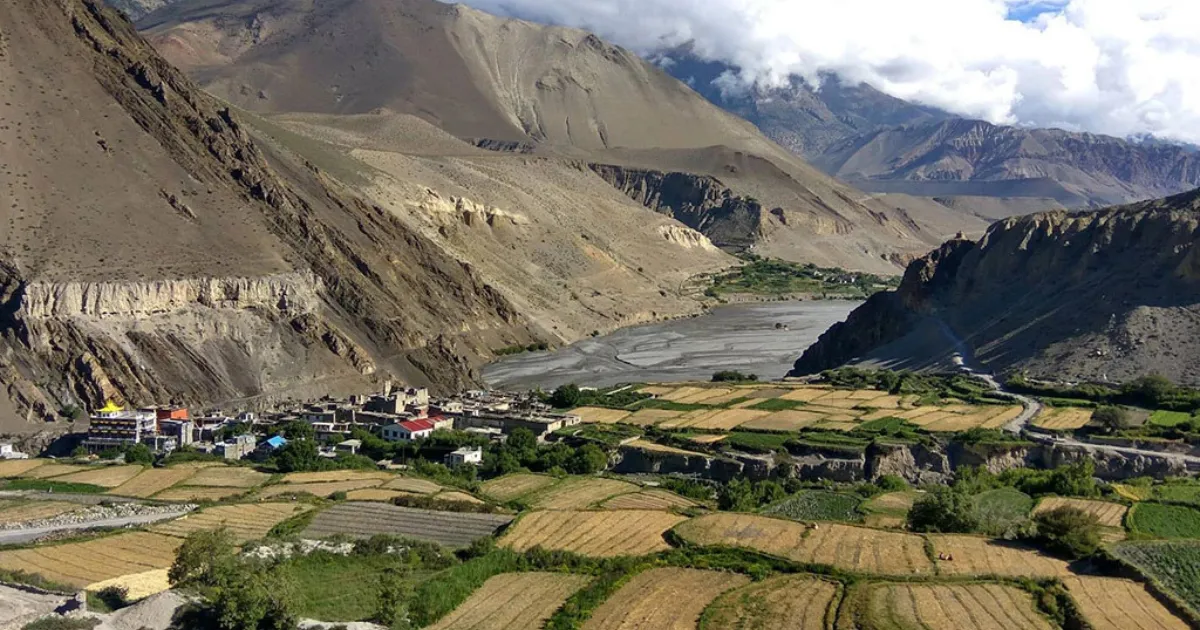
Upper Mustang feels different from the rest of Nepal the moment you enter the region. The land turns dry and open. Hills rise in soft colours of red, brown, and grey. Villages appear suddenly behind stone walls. Life moves slowly here. This region was once an independent kingdom and stayed closed to outsiders for many years. That isolation protected its culture, language, and traditions. Even today, walking through Upper Mustang feels like stepping into another time.
The trek follows ancient salt trading routes that once connected Tibet and Nepal. You walk past caves carved into cliffs, old monasteries, prayer walls, and villages where daily life has changed very little. Upper Mustang is not about lush forests or high passes. It is about silence, space, and history. For 2026, this trek continues to attract travellers who want something quieter, deeper, and culturally rich.
Why Choose Hiking Nepal
Hiking Nepal has long experience operating treks in restricted regions. Upper Mustang requires careful planning, permits, and strong local coordination. Our team works closely with local guides, lodge owners, and authorities in Mustang. This ensures smooth logistics and respectful travel.
Our itineraries are paced slowly to allow proper acclimatisation and cultural exploration. We focus on small groups so the experience feels personal and respectful to the local way of life. Guides are trained not only in safety but also in history, religion, and local customs. This makes the journey more meaningful, not just a walk from village to village.
New Rules to Reduce Permit Cost for Upper Mustang
Upper Mustang is a restricted area, which means special permits are required. For many years, the permit cost was high and fixed. Recent changes have introduced more flexible rules for trekkers staying shorter durations. While the region still requires a restricted area permit, the government has allowed adjustments based on trekking days and group structure.
For 2026, this makes Upper Mustang more accessible than before. Travellers can now plan shorter itineraries without paying unnecessary extra fees. Hiking Nepal stays updated with permit regulations and handles all paperwork before the trek begins, so trekkers do not face delays or confusion.
Best Time to Trek Upper Mustang 2026
Upper Mustang lies in the rain shadow of the Annapurna and Dhaulagiri ranges. This means it receives very little rainfall compared to other trekking regions. Spring and autumn remain the best seasons.
March to May offers clear skies and mild temperatures. The landscape looks sharp and open, and villages become active with farming life. September to November brings stable weather and long visibility. The air feels crisp, and the trails are dry.
Unlike other regions, Upper Mustang can also be trekked during early summer. June and July remain relatively dry here. This makes it one of the few Himalayan treks suitable during the monsoon months.
Detailed Itinerary of Upper Mustang Trek 2026
The trek usually begins with a drive or flight to Pokhara, followed by a journey to Jomsom. From Jomsom, the trail slowly enters the restricted region. The early days pass through Kagbeni, which acts as the gateway to Upper Mustang. After permit checks, the trail leads toward villages like Chele, Syanbochen, and Ghami.
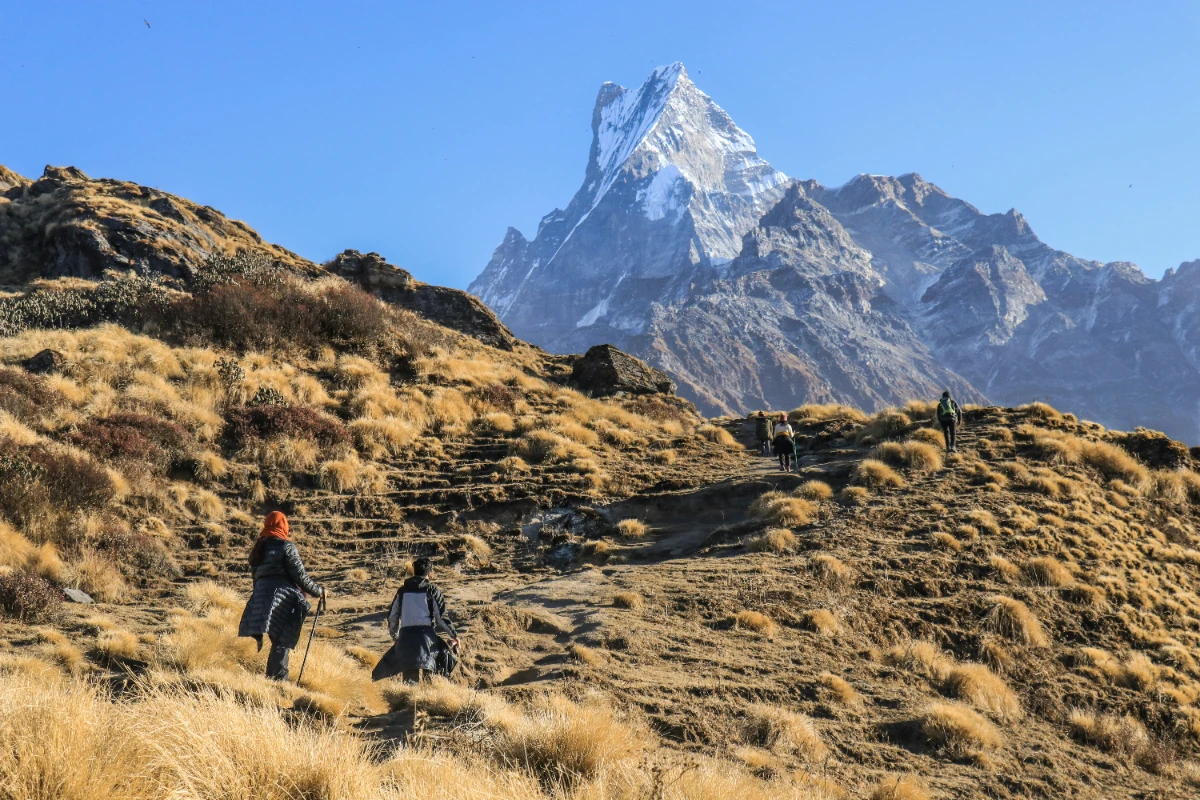
Each day involves moderate walking with gradual altitude gain. Trails follow riverbeds, open valleys, and high ridges. One of the highlights is crossing the high point near Lo La Pass before reaching Lo Manthang, the former capital of the Mustang kingdom.
Several days are spent exploring Lo Manthang. This includes visits to monasteries, royal palaces, and surrounding villages. The return journey often follows a slightly different route to allow new views and villages. The trek ends back in Jomsom before returning to Pokhara and Kathmandu.
Trekking Highlights and Attractions
Upper Mustang is rich in visual and cultural highlights. The landscape feels vast and untouched. Colourful cliffs change shades with the light. Ancient caves carved into rock faces still hold secrets of early settlements.
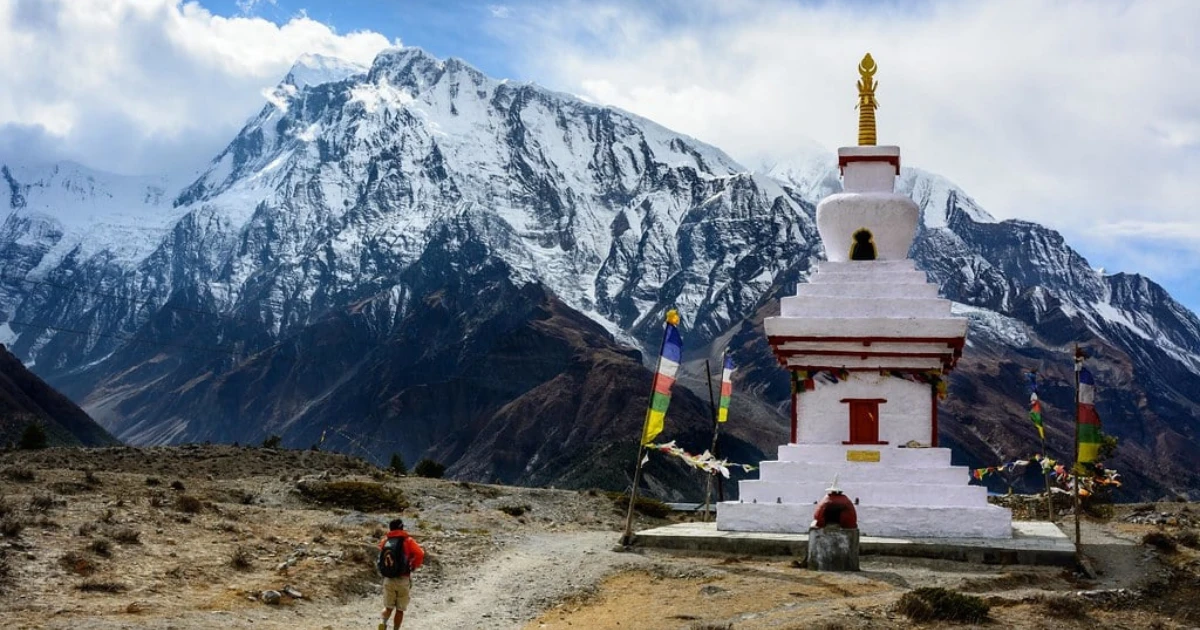
Lo Manthang stands as the heart of the region. Its whitewashed houses, narrow alleys, and monasteries reflect centuries of Tibetan Buddhist influence. Chortens and prayer flags line the trails. Festivals, when timed right, offer rare insight into local rituals and masked dances.
The region also offers uninterrupted views of Nilgiri, Annapurna, and Dhaulagiri ranges, though they feel distant and calm rather than towering and dramatic.
Altitude and Preparation Tips
Upper Mustang does not reach extreme altitudes compared to Everest region treks, but altitude still matters. The highest sleeping point is around Lo Manthang, which sits above three thousand eight hundred meters. Proper acclimatisation and slow pacing are important.
Preparation should include regular walking or hiking before arrival. Basic fitness is enough, but mental readiness for dry conditions and simple facilities is important. Staying hydrated and resting properly helps reduce altitude-related discomfort.
Culture and People of Upper Mustang
The people of Upper Mustang follow Tibetan Buddhist traditions. Their language, clothing, and daily rituals reflect strong ties to Tibet. Life here is shaped by harsh climate and limited resources, which has built a strong sense of community.
Visitors are welcomed warmly, but respect is essential. Monasteries remain active places of worship. Photography should be done carefully and with permission. Observing daily life, spinning prayer wheels, and listening to local stories add depth to the trek.
Food and Accommodation Options
Accommodation in Upper Mustang is simple but comfortable. Lodges are locally run and offer basic rooms with shared facilities. Meals usually include local dishes such as dal bhat, noodles, soups, potatoes, and Tibetan bread.
Food choices are limited but filling. Hygiene standards have improved in recent years, but it is still wise to eat freshly cooked meals. Carrying snacks from Pokhara or Kathmandu can be helpful for variety.
Safety and Trekking Tips
Upper Mustang is generally safe, but its remoteness requires careful planning. The weather can change quickly, and strong winds are common in the afternoons. Walking early in the day is recommended.
Trekking with a licensed guide is mandatory and adds safety. Drinking treated water, wearing sun protection, and respecting local customs all contribute to a smooth journey. Hiking in Nepal ensures communication support and emergency planning throughout the trek.
FAQ About Upper Mustang Trek 2026
Many trekkers ask if Upper Mustang is suitable for beginners. The answer depends on fitness and mindset. The trails are not technical, but the environment is remote and dry.
Another common question is about internet access. Mobile networks work in some villages, but connectivity is limited. This makes the trek ideal for digital detox.
People also ask about cultural sensitivity. Modest clothing and respectful behaviour are appreciated. Learning a few local greetings adds warmth to interactions.
Is the Upper Mustang Trek suitable for beginners?
Upper Mustang can be done by beginners who have basic fitness and trekking experience. The trails are not technical, but the region is remote and dry. Walking slowly and following a proper itinerary makes the trek manageable.
How difficult is the Upper Mustang Trek?
The trek is considered moderate. Daily walking hours are reasonable, and there are no extremely high passes. The main challenges are altitude, strong winds, and dry climate, rather than steep climbs.
Do I need a special permit for Upper Mustang?
Yes, Upper Mustang is a restricted area. You need a restricted area permit and an Annapurna Conservation Area permit. Hiking Nepal arranges all permits in advance.
Can I trek Upper Mustang without a guide?
No, trekking without a licensed guide is not allowed in Upper Mustang. A guide is mandatory for safety, permits, and local regulations.
What kind of accommodation can I expect?
Accommodation consists of basic teahouses and lodges run by local families. Rooms are simple, usually twin sharing, with shared toilets. Comfort is basic but clean and welcoming.
Is Upper Mustang affected by the monsoon?
Upper Mustang lies in a rain shadow area, so it receives very little rainfall. This makes it one of the few trekking regions in Nepal suitable even during the summer months.
How many days are needed for the Upper Mustang Trek
Most itineraries range from 12 to 16 days, depending on route, acclimatisation days, and side trips around Lo Manthang.
Conclusion and Booking Information
Upper Mustang remains one of Nepal’s most unique trekking regions. It offers history, culture, and landscapes that feel untouched by time. For travellers seeking something beyond popular trails, this trek delivers depth and quiet beauty.
Hiking Nepal offers carefully planned Upper Mustang treks for 2026 with updated permits, experienced guides, and responsible travel practices. Early booking is recommended due to permit limitations and seasonal demand. This journey is not about rushing. It is about slowing down and walking through a living piece of Himalayan history. For booking, you can reach out to us at [email protected] or at +977 9802342080.