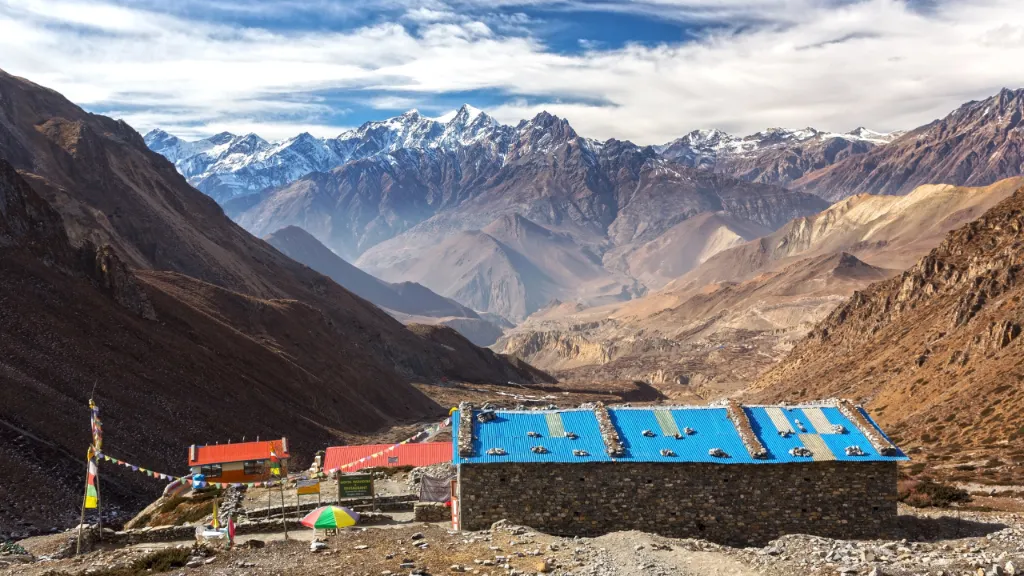
Trekking in Nepal is not just about the mountains. It's also about the simple teahouses, warm food, and quiet evenings in remote villages. Where you sleep and what you eat can shape your entire trek.
Whether you're heading to Everest Base Camp or exploring offbeat trails, understanding food and lodging will help you plan better and stay comfortable.
Where You Sleep on the Trail
Most treks in Nepal offer basic accommodation in small teahouses. These are family-run lodges along the trail. They are simple but cozy. Some offer private rooms with thin walls and a shared bathroom. Others have dorm-style rooms with blankets and solar-heated showers. Don't expect luxury. But the charm lies in the simplicity.
In some regions, such as Annapurna and Everest, a few luxury lodges are offering better beds, attached bathrooms, and larger menus. They cost more, but they provide greater comfort.
In remote areas like Upper Dolpo or Kanchenjunga, you may need to camp. These treks require full support crews who carry tents, kitchen gear, and food.
Homestays are another option in lower regions. You stay in a local home, eat home-cooked meals, and get to know village life closely.
What to Expect in a Teahouse
Rooms are basic. Some come with beds, pillows, and blankets. But it's best to bring your sleeping bag. Bathrooms might be shared. You may incur an extra cost for hot water. Most dining rooms are heated with a stove in the center. You can charge your phone or camera, but please note that this may incur an additional cost.
During busy seasons, especially in spring and autumn, rooms fill up fast. Booking early is especially helpful if you're in a popular area, such as Everest.
What You Eat on a Trek
The food is simple and filling. Dal Bhat is the main meal. It comes with rice, lentil soup, vegetables, and sometimes pickles or curry. It's served all over Nepal and offers unlimited refills at most teahouses.
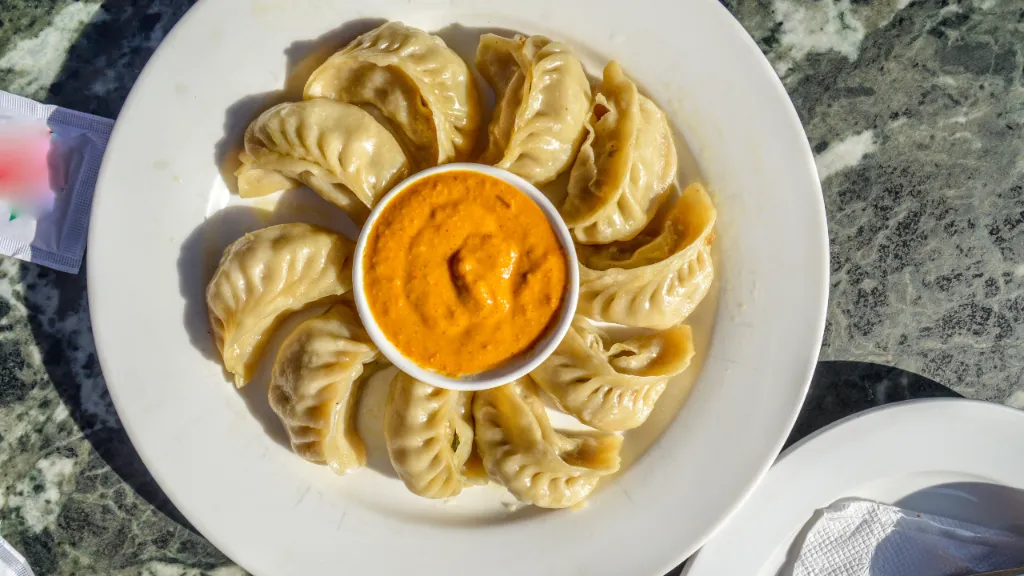
You'll also find dishes such as momos, noodle soup, fried rice, pancakes, porridge, and boiled eggs. On busier trails, some lodges serve pasta, pizza, or burgers. It might not taste the same as it does in the city, but it's a suitable change.
Breakfast usually includes porridge, bread, eggs, and tea. Snacks like cookies, chocolate bars, and instant noodles are available, although they become more expensive the higher you go.
Food and Lodging by Region
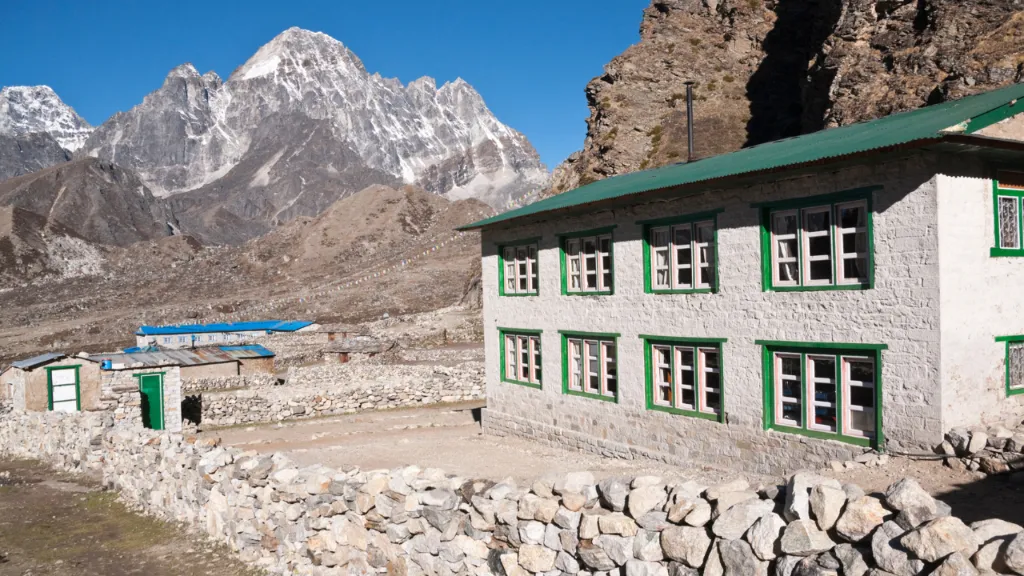
Everest Region has a wide range of lodges. You'll get more food choices and better facilities. Annapurna has a mix of simple lodges and newer cafes with fresh coffee and cake. Langtang and Manaslu regions are simpler. You get more local food, fewer options, and basic rooms. Remote treks, such as Makalu or Dolpo, rely on camping or very basic homestays.

How Much Does It Cost
Teahouses can cost anywhere from free to around 1000 rupees per night. Some owners give the room for free if you eat your meals there. But with growing tourism, most places now charge for the room separately.
Meals cost more as you go higher. A plate of dal bhat might cost 300 rupees at the start of the trek and 800 near base camp. Expect to spend between 3,000 and 4,000 rupees per day on food and lodging in popular areas.
Extras like hot showers, Wi-Fi, and charging electronics incur additional costs. Plan your cash. There are no ATMs on the trails.
Dietary Needs and Safe Eating
Most places can serve vegetarian meals. Vegan, gluten-free, or lactose-free options are harder to find. It helps to explain your needs clearly to the teahouse owner.
To avoid getting sick, eat freshly cooked food and drink boiled or purified water. Don't eat raw salads. Bring water purification tablets or a filter. Bottled water is available, but it adds to plastic waste.
Booking During High Season
Autumn and spring are the busiest times. During festivals like Dashain or Mani Rimdu, some villages are full, so book in advance if you're trekking in these seasons. In remote areas, booking may not be possible, so flexibility is helpful.
Simple Tips for a Better Stay
Carry earplugs if you're a light sleeper. Pack a sleeping bag liner for warmth and cleanliness. Carry snacks like trail mix or energy bars for a quick boost. These are helpful when food takes longer to prepare or during longer hikes.
Be Responsible
Support local lodges. Carry your trash back. Avoid using plastic bottles whenever possible. Respect local customs, especially in homestays. A little kindness goes a long way in the mountains.
Food and accommodation might not be fancy in Nepal's mountains, but they're part of the charm. A warm plate of dal bhat and a quiet room after a long walk can be the best comfort in the world. Knowing what to expect helps you enjoy the experience more and trek with peace of mind.