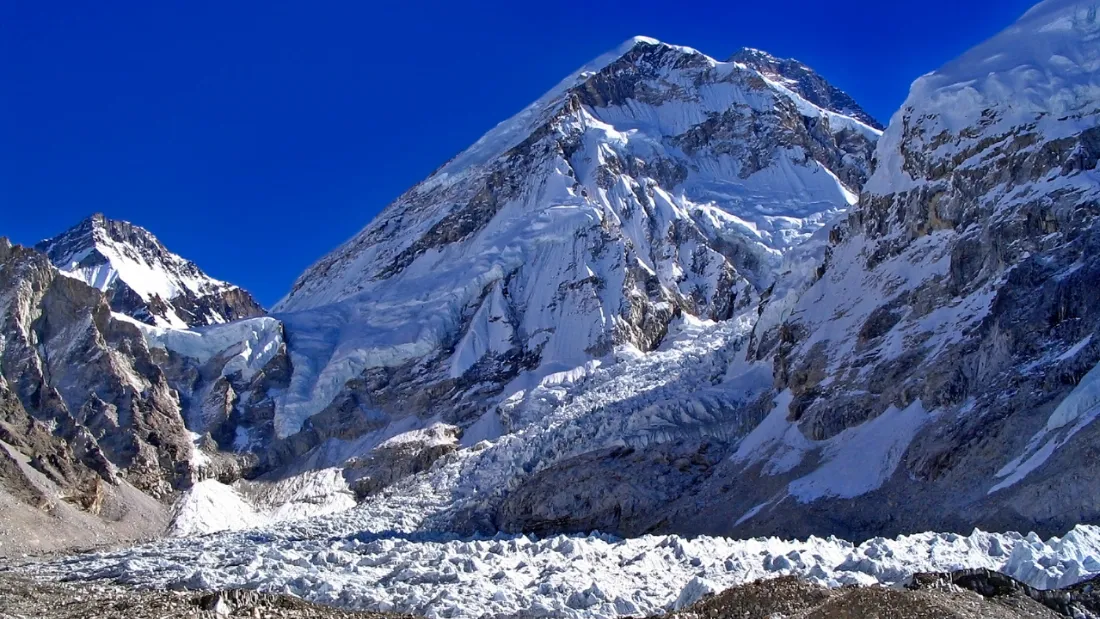
October and November mark the golden window for trekking to Everest Base Camp (EBC). After the monsoon, the skies in the Khumbu region clear, revealing crisp, dramatic Himalayan vistas. Daylight hours are stable, trails are dry, and cultural energy peaks with autumn festivals like Rimdu and Dashain. If you're seeking clean mountain views, support from local communities, and a safer trek, this is your season.
1. Why Autumn Beats Every Other Season
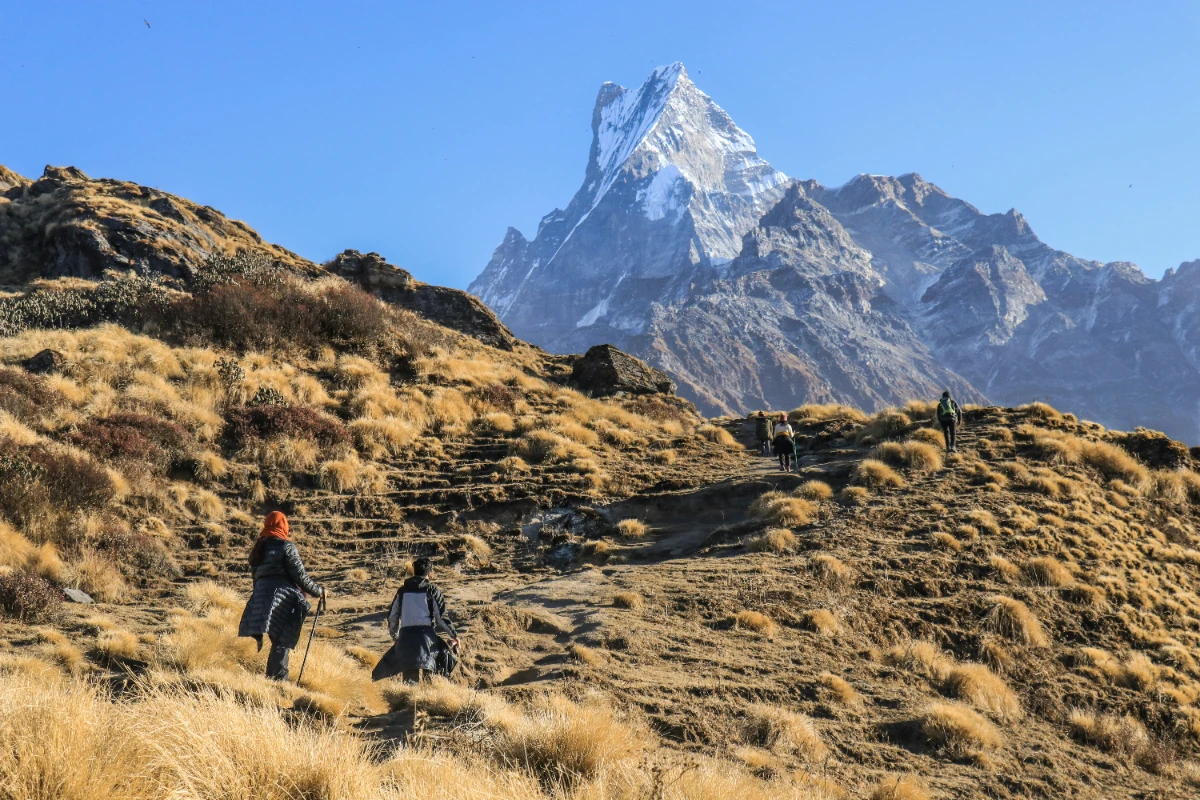
- Sky clarity and visibility: October offers the best panoramic views you'll ever see, such as Lhotse, Nuptse, Ama Dablam, and the Big Apple herself, Everest.
- Temperature balance: Daytime temperatures range from 5 to 15 °C. Nights dip below zero in shelters above 3,000 m, but daytime warmth makes trekking comfortable.
- Weather stability: Rain and storms are rare during the post-monsoon period, reducing the chances of delays and avalanches.
- Cultural richness: Sherpa communities observe festivals like Rimdu. You may spot red robes, hear monks chant, or catch local dances in lodge courtyards.
2. Adjusting Your Plans for Autumn Trekking
Despite the clear skies, prepare for altitude and cold:
- Layer smart: Base layer, fleece mid-layer, insulated down jacket, and waterproof shell.
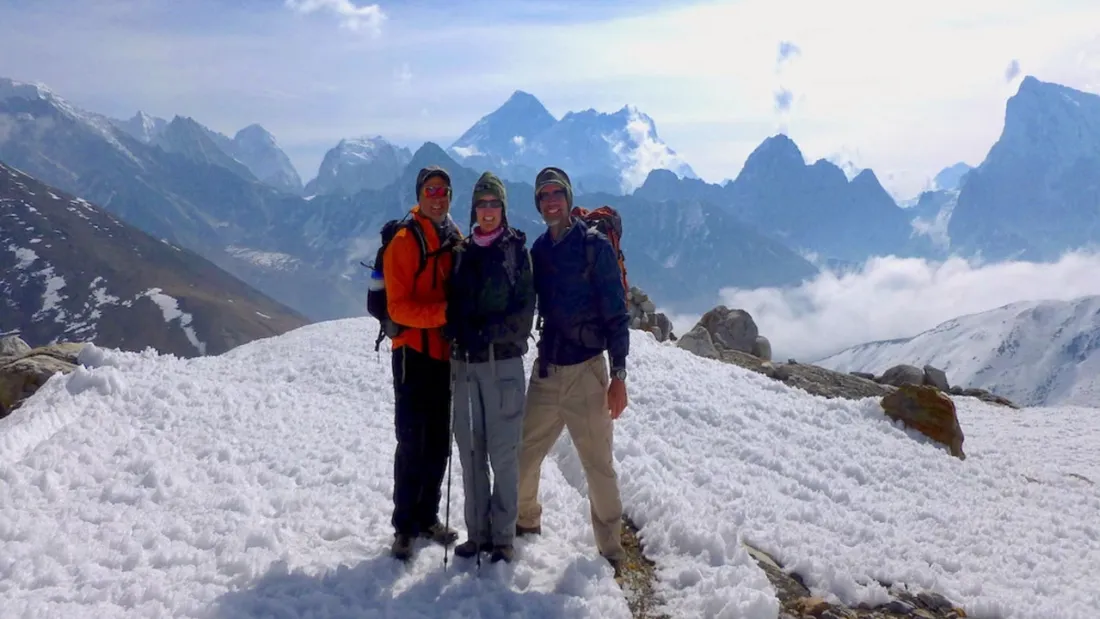
- Trekking poles are essential: They help on icy patches and steep slopes.
- Add an acclimatisation pause at Namche or Dingboche, spending the rest of the days here helps prevent altitude sickness.
3. Train Before You Go
- Stamina training: Walk with a weighted pack. Use stairs or hills for cardio.
- Strength focus: Squats, lunges, core exercises, strengthen legs and improve balance.
- Mind acclimatisation: Practice controlled breathing and basic mindfulness. Mental endurance matters as much as physical strength.
4. Paperwork, Permits, and Local Support
- Must-have permits: TIMS ($20) and Sagarmatha National Park entry ($30). We arrange these for you.
- Guides and porters: Hiking Nepal provides certified, English-speaking guides. They manage navigation, support acclimatisation, and interpret local traditions. Porters carry gear so you stay light.
- Lodging and meals: Full lodge network opens in autumn. Enjoy hot dhal bhat, instant noodles, soups, and pancakes to ensure you're adequately fueled.
5. Village Life & Panorama Points
Your trek includes cultural highlights and natural gems:
- Namche Bazaar: Sherpa market hub. Visit the boutique Everest View Hotel for dramatic mountain scenes.
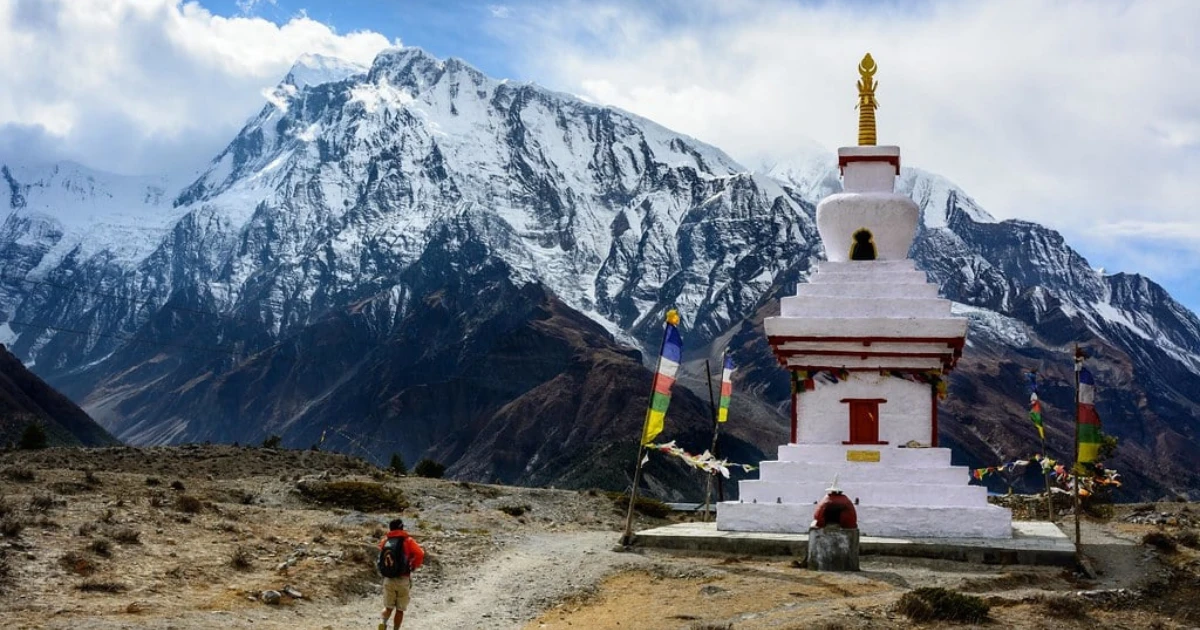
- Tengboche Monastery: March on monastery grounds, breathing in its calm and the shrine's spiritual power.
- Kala Patthar: Summit early morning to catch sunrise painting Everest in golden hues.
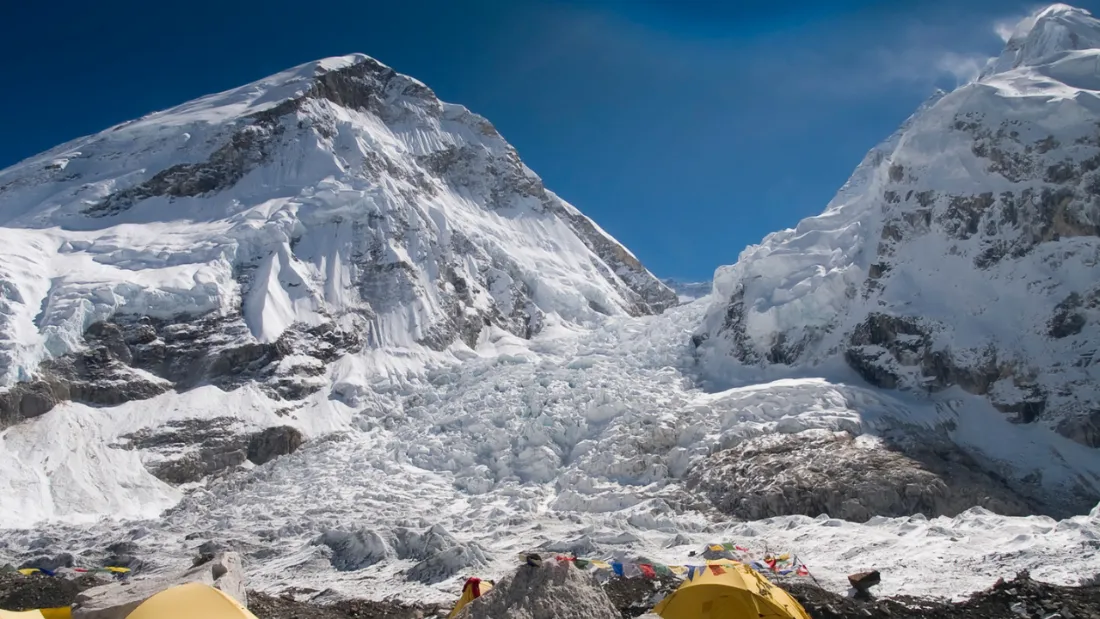
- Everest Base Camp: You'll set foot at the famous camp on the Khumbu Glacier, complete with prayer flags and glacier blue ice.
6. Staying Healthy & Safe Above 3,000 m
- Daily weather updates: We monitor forecasts and adjust plans if needed.
- Emergency options: Oxygen and evacuation possibilities are available in Namche, Dingboche, and Pheriche.
- Eco-friendly trek code: Carry-out systems, no single-use plastics, respect for cultural norms - team with us to preserve Khumbu's purity.
7. Optional Helicopter Return
- Time-constrained? Our optional helicopter flight from Lukla cuts the return by days.
- You can hike up and fly out, combining adventure with convenience.
8. What You'll Take Away
- Unforgettable, clear mountain panoramas
- Festival connections with Sherpa culture
- Spiritual growth through altitude and camaraderie
- Pride in pacing your way safely above 5,000 m
October and November deliver Everest Base Camp treks at their finest—clear views, community warmth, and controlled conditions. You push physically, grow mentally, and gain lifelong memories under Autumn's best Himalayan frame.
FAQs for Trekking EBC in October & November
1. How early should I book?
Book by March–April. Lukla flights and teahouses book quickly after spring.
2. How cold can nights get?
Expect -5 to -10 °C near Base Camp. Bring a liner sleeping bag and wool socks.
3. Is it safe to trek unguided?
Not recommended. Local guides manage weather, altitude, communication, and cultural respect.
4. What if my flight to Lukla gets cancelled?
We build in buffer days. If flights are delayed, you stay in Namche or Lukla and retry the next morning.
5. Is insurance required?
Yes. Travel insurance covering high-altitude illness and helicopter evacuation is mandatory.