The Annapurna Base Camp trek is one of the most popular trekking routes in Nepal. It is known for its mix of mountain views, diverse landscapes, and cultural experiences. Many people who have never trekked at high altitude wonder if they can complete it without prior knowledge. The answer is yes, but with the proper preparation and mindset.
Understanding the ABC Trek
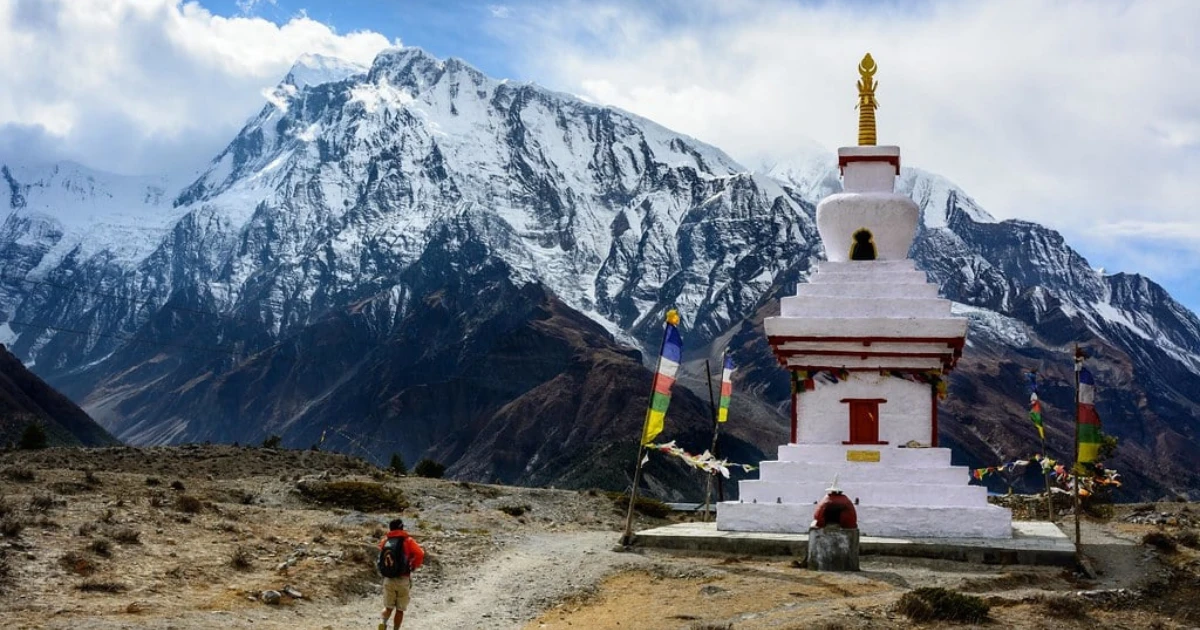
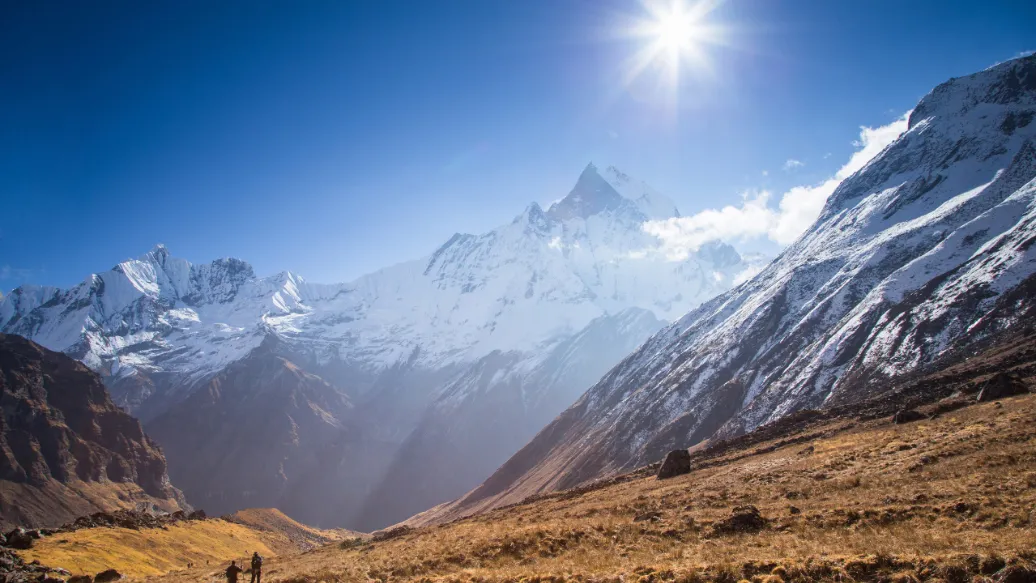
Annapurna Base Camp sits at 4,130 meters above sea level. The journey usually takes between 7 and 12 days, depending on the route and pace. The trail passes through terraced fields, rhododendron forests, and traditional Gurung and Magar villages before reaching the heart of the Annapurna Sanctuary, surrounded by peaks like Annapurna I, Machapuchare, and Hiunchuli.
The trek is considered moderately complex. This means that while it does not require technical climbing skills, it does demand physical endurance, steady pacing, and good acclimatisation to avoid altitude sickness.

Can a Beginner Do It?
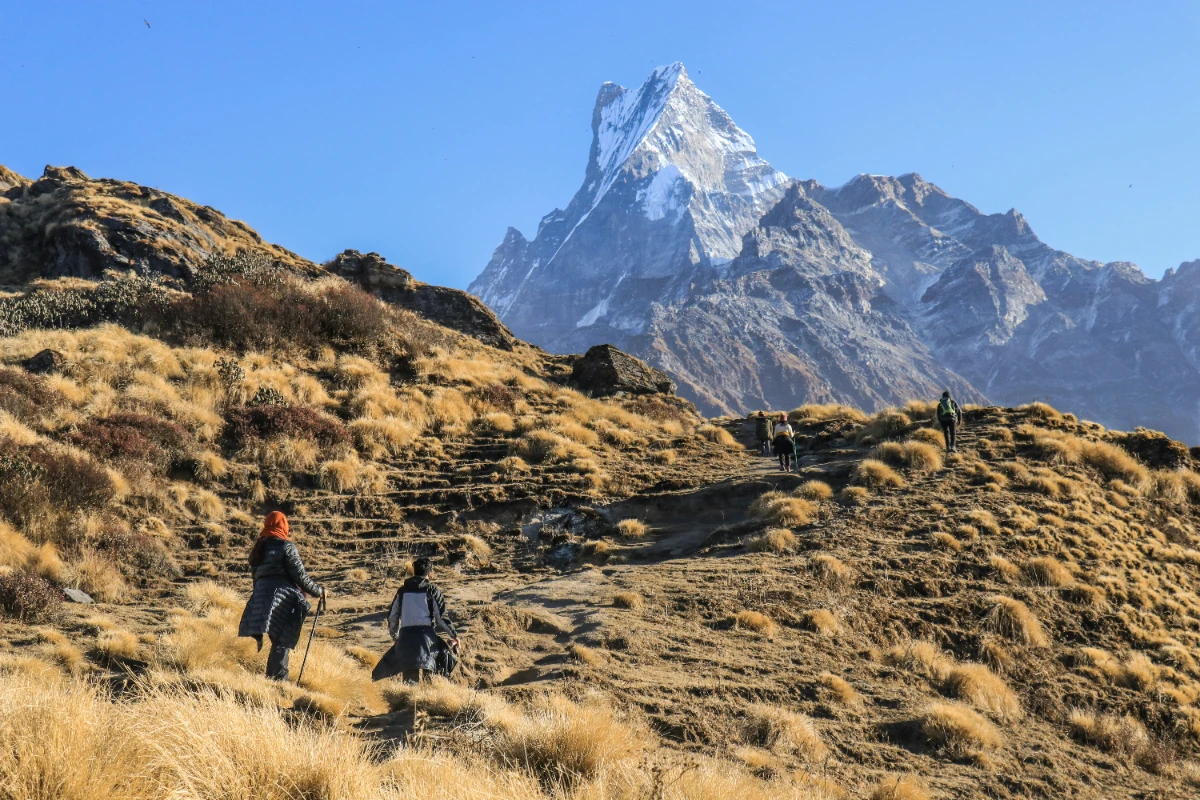
Beginners can complete the Annapurna Base Camp trek if they prepare well. Many first-time trekkers choose this route because the altitude gain is gradual compared to other high mountain treks. The paths are well-marked, and teahouses along the way provide food and lodging, so you do not need to carry heavy camping gear.
However, even though it is beginner-friendly in structure, the trek still involves walking 5 to 7 hours a day on uneven trails, sometimes with steep ascents and descents. Beginners should expect physical challenges, but these can be managed with training and proper planning.
Physical Preparation
A few months before the trek, beginners should start regular walking or hiking to build stamina. Focus on long walks on varied terrain and gradually add uphill climbs. Strengthening the legs, back, and core muscles will help with the daily trekking load. Cardiovascular fitness is also essential, so activities like cycling, swimming, or running can be helpful.
Acclimatisation and Altitude Sickness
Even though Annapurna Base Camp is not as high as Everest Base Camp, altitude sickness can still affect trekkers. The best prevention is to walk at a steady pace, stay hydrated, and avoid gaining too much elevation in one day. Spending an extra night in villages like Chhomrong or Deurali can help your body adjust to the altitude.
Best Time for ABC Trek for Beginners
Spring (March to May) and autumn (September to November) are the best seasons for beginners. The weather is stable, the skies are clearer, and the trails are easier to follow. Winter is possible for experienced trekkers but can be harsh for first-timers due to cold and snow.
Support on the Trail
Hiring a guide or porter can make the trek more comfortable for beginners. Guides know the route, local culture, and can help arrange accommodation. A porter can carry most of your gear, allowing you to focus on the walk itself.
1. Is the Annapurna Base Camp trek suitable for first-time trekkers?
Yes, many first-time trekkers complete the Annapurna Base Camp trek every year. The route is not technical, and you do not need mountaineering skills. However, it does involve several days of walking at high altitude, so good physical fitness and preparation are essential.
2. What is the highest altitude reached on the Annapurna Base Camp trek?
The highest point is Annapurna Base Camp at 4,130 meters above sea level. Most people feel some effects of the thinner air at this height, such as shortness of breath or mild headaches. Going at a steady pace and taking rest days can help your body adjust.
3. How can beginners prepare for the trek without altitude experience?
Start regular walking or hiking several months before your trip, focusing on uphill and downhill routes. Build stamina with cardio exercises like jogging, cycling, or swimming. Practice carrying a backpack while walking to get used to the weight.
4. What is the best time for beginners to do the Annapurna Base Camp trek?
Spring (March to May) and autumn (September to November) are the most beginner-friendly seasons. The weather is stable, skies are clear, and temperatures are moderate. Winter can be freezing, and summer brings heavy rain that makes the trail slippery.
5. How many days does the trek take for beginners?
Most beginners complete the trek in 7 to 10 days, depending on the starting point and pace. Some choose slower itineraries to allow more rest and acclimatisation, which reduces the risk of altitude sickness.
6. Can beginners get altitude sickness on the ABC trek?
Yes, altitude sickness can affect anyone, even experienced trekkers. Beginners should watch for symptoms like headaches, dizziness, or loss of appetite. Staying hydrated, eating well, and avoiding alcohol can help. If symptoms worsen, it’s safest to descend.
7. Do I need a guide for my first Annapurna Base Camp trek?
Hiring a guide is highly recommended for beginners. A guide can manage logistics, set a safe pace, help with permits, and provide local knowledge. They can also assist in emergencies and make the trek more enjoyable by sharing insights about the region.
Beginners can successfully trek to Annapurna Base Camp without prior altitude experience if they prepare physically, pace themselves, and take acclimatisation seriously. The route’s gradual ascent, good infrastructure, and breathtaking scenery make it one of the most accessible high mountain treks in Nepal. With the right mindset, it can be both a challenge and a rewarding first introduction to trekking in the Himalayas. Feel free to reach out to us at [email protected] or +977 9802342080 for more details regarding the trek.