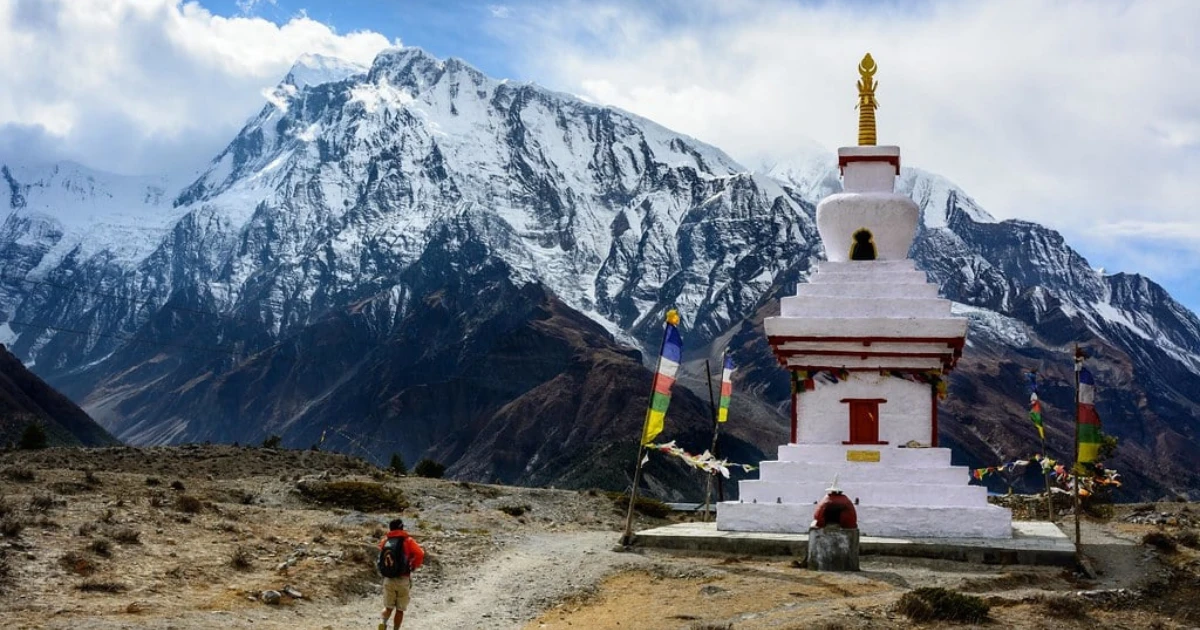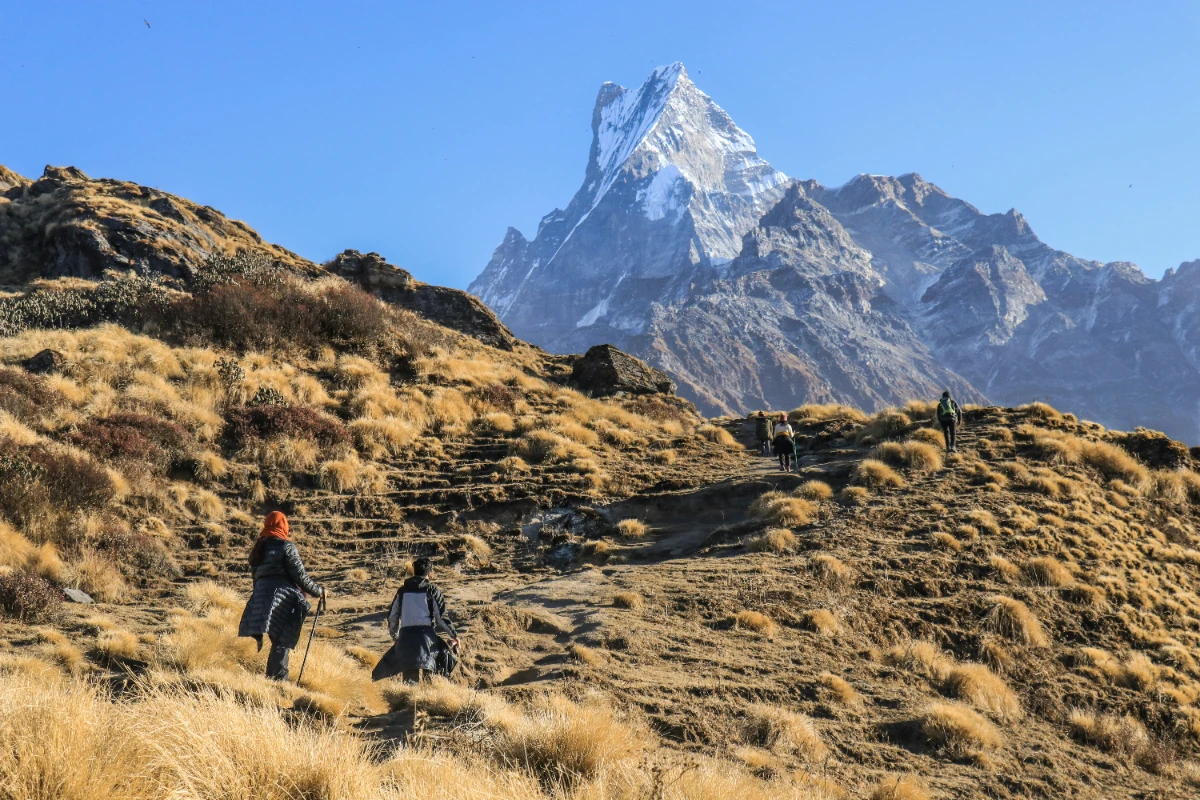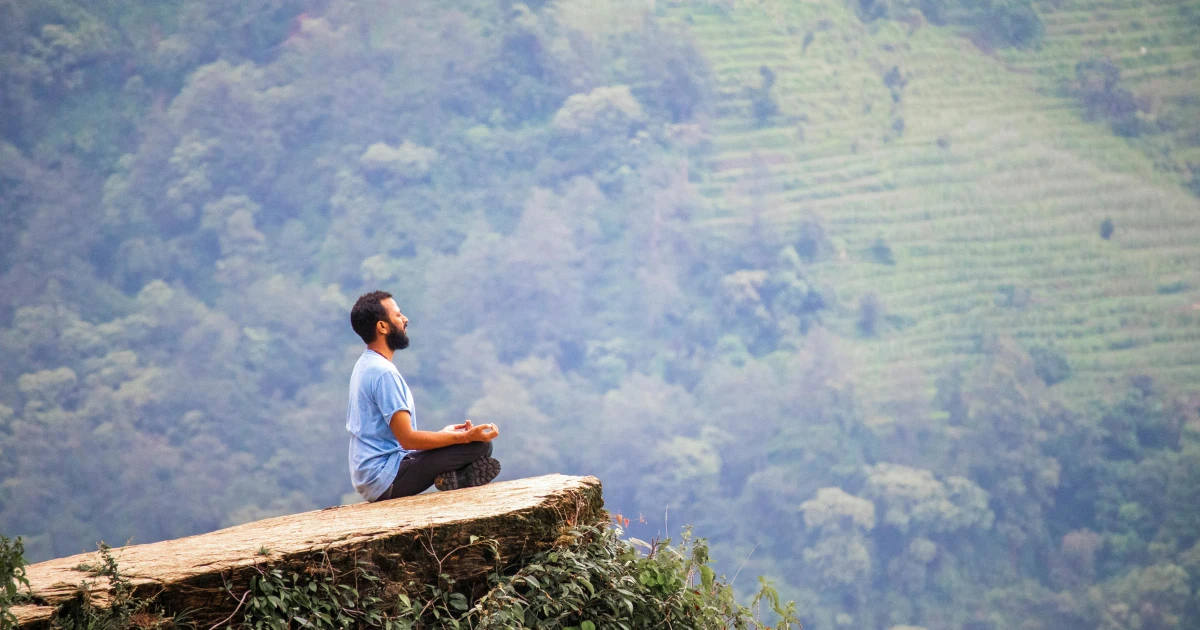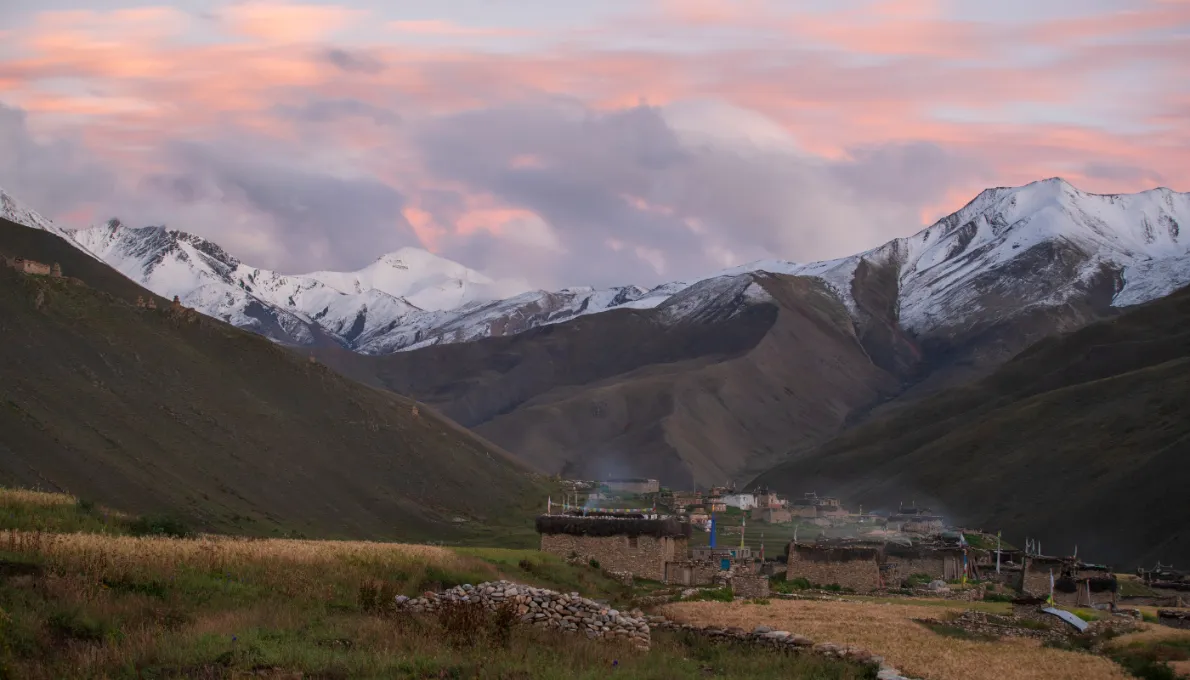
Nepal is world-famous for treks like Everest Base Camp and the Annapurna Circuit, but beyond the well-trodden paths lies a world of hidden trails, untouched landscapes, and remote villages. If you're looking for a trekking experience away from the crowds, Nepal offers countless off-the-beaten-path adventures that immerse you in pristine nature and authentic local culture.
At Hiking Nepal, true adventure begins where the usual trails end. These lesser-known treks provide solitude and bring you closer to Nepal’s rugged beauty, diverse ethnic groups, and some of the Himalayas' most breathtaking, unexplored corners. Whether you seek wilderness, cultural immersion, or challenging trails, these hidden gems promise an unforgettable experience.
Here are seven of Nepal’s best off-the-beaten-path treks that offer raw, unfiltered adventure.
1. Kanchenjunga Base Camp Trek
If you’re looking for pure, untouched wilderness, the Kanchenjunga Base Camp Trek is as remote as it gets. Taking you to the base of the world’s third-highest mountain (8,586m), this trek offers an unparalleled experience of Nepal’s eastern Himalayas. Unlike the bustling trails of Everest or Annapurna, this region remains largely unexplored, allowing trekkers to witness nature in its rawest form.
The journey traverses lush rhododendron forests, alpine meadows, and high mountain passes, ultimately revealing breathtaking views of Kanchenjunga’s towering peaks. This remote trek allows you to stay in traditional teahouses, engage with the Limbu and Rai ethnic communities, and experience a way of life untouched by mass tourism.
Why choose this trek?
- Unparalleled solitude in the wild Himalayas
- Stunning views of Kanchenjunga and neighboring peaks
- Cultural immersion with Indigenous mountain communities
2. Dhaulagiri Circuit Trek
For experienced trekkers in search of adventure, the Dhaulagiri Circuit Trek is among Nepal’s most challenging and rewarding trails. Encircling the mighty Dhaulagiri (8,167m), the world’s seventh-highest peak, this trek leads you across rugged glaciers, steep mountain passes, and high-altitude valleys.
Unlike more commercialized routes, the Dhaulagiri Circuit offers an authentic wilderness trek. It includes camping in extreme conditions, navigating technical sections, and reaching the French Pass (5,360m) and Dhampus Pass (5,200m). The dramatic landscapes, towering ice walls, and deep gorges make this an adventure of a lifetime.
Why choose this trek?
- A remote, high-altitude challenge for seasoned trekkers
- Spectacular views of Dhaulagiri, Tukuche Peak, and Annapurna
- A blend of glaciers, alpine meadows, and isolated valleys
3. Tsum Valley Trek
If you’re attracted to Tibetan culture and spirituality, the Tsum Valley Trek is essential. Known as the “Hidden Valley of Happiness,” this mystical region was closed to outsiders until 2008. Today, it provides a rare glimpse into an ancient way of life, where Tibetan Buddhist traditions thrive in isolation.
As you trek through remote villages, you'll visit centuries-old monasteries, interact with monks, and witness sacred Mani walls and chortens. The breathtaking mountain scenery, dominated by Ganesh Himal and Sringi Himal, enhances the tranquility of the trek. Since tourism is still limited in this area, you’ll experience authentic hospitality from the Tsumba people.
Why choose this trek?
- A spiritual journey through untouched Buddhist culture
- Stunning landscapes with sacred monasteries and Himalayan backdrops
- A peaceful alternative to busier trekking regions
4. Upper Dolpo Trek
The Upper Dolpo Trek is a journey back in time. Located from the modern world, Dolpo remains one of Nepal’s last wilderness regions, where Tibetan culture thrives and landscapes are raw and unspoiled. This trek takes you through stark, high-altitude deserts, past ancient monasteries, and into one of Nepal’s most mythical regions.
A highlight of the trek is Shey Phoksundo Lake, an otherworldly turquoise gem set against barren mountains. You'll also pass through medieval villages like Shey Gompa, where Bon and Tibetan Buddhism merge in fascinating ways. Due to the remoteness and challenging terrain, this trek is ideal for seasoned adventurers seeking solitude and cultural immersion.
Why choose this trek?
- Experience Nepal’s most remote landscapes and cultures
- Visit the stunning Shey Phoksundo Lake
- A rare glimpse into ancient Tibetan traditions and monasteries
5. Makalu Base Camp Trek
For those who crave absolute solitude, the Makalu Base Camp Trek is one of Nepal’s most isolated trekking routes. Located in the Makalu Barun National Park, this trek leads to the base of Mt. Makalu (8,485m), the world’s fifth-highest peak. The trail passes through untouched forests, rugged landscapes, and high-altitude glaciers, making it a paradise for nature lovers.
Unlike commercial trekking areas, you will encounter very few fellow trekkers. The biodiversity here is stunning—you may even glimpse the elusive red panda or snow leopard. The trail requires endurance, but the reward is breathtaking views of Everest, Lhotse, and Baruntse from the base camp.
Why choose this trek?
- Absolute seclusion in the heart of the Himalayas
- Stunning biodiversity and pristine landscapes
- A demanding but rewarding trek for serious adventurers
6. Nar Phu Valley Trek
Tucked away in the remote corners of the Annapurna region, the Nar Phu Valley Trek is a hidden gem for trekkers seeking Himalayan beauty and cultural authenticity. Opened to outsiders only in 2002, this trek takes you through the Nar and Phu villages, where Tibetan culture remains untouched by time.
The trail winds through deep canyons, ancient monasteries, and high-altitude passes such as Kang La Pass (5,322m). The barren yet mesmerizing landscapes resemble Tibet more than Nepal's, featuring dramatic rock formations, deep gorges, and snow-capped peaks.
Why choose this trek?
- A unique mix of adventure and cultural exploration
- Fewer trekkers compared to the mainstream Annapurna trails
- High mountain passes with incredible Himalayan views
7. Ruby Valley Trek
The Ruby Valley Trek is a lesser-known yet breathtakingly beautiful route connecting the Langtang and Manaslu regions. This trek is ideal for those searching for an authentic rural experience, as it passes through Tamang and Gurung villages, terraced fields, and lush surrounding forests.
What sets Ruby Valley apart is its stunning diversity. You’ll walk through subtropical forests, alpine meadows, and rugged mountain terrain in a single trek. The locals are incredibly welcoming, offering a glimpse into Nepal’s rich cultural tapestry.
Why choose this trek?
- A peaceful trek with diverse landscapes and cultures
- Stunning views of Ganesh Himal, Langtang, and Manaslu
- A perfect mix of adventure and cultural immersion
Final Thoughts
Nepal is much more than its famous trekking routes. These off-the-beaten-path treks offer adventure, culture, and solitude for those seeking something beyond the ordinary. Whether you want to explore remote mountain valleys, challenge yourself on high passes, or immerse yourself in ancient traditions, these hidden gems promise an unforgettable experience journey.
At Hiking Nepal, we focus on creating personalized trekking experiences that cater to your adventure level and interests. Are you ready to venture off the beaten path? Let’s turn your dream trek into reality!
FAQs
What are off-the-beaten-path treks in Nepal?
Off-the-beaten-path treks are remote and less-traveled trails in Nepal that offer untouched landscapes, fewer crowds, and a more authentic cultural experience.
Are these treks more complex than popular routes like Everest Base Camp or Annapurna Circuit?
Generally, yes. These treks often involve rough terrain, higher altitudes, and limited facilities, making them more challenging than mainstream trekking routes.
Do I need special permits for these treks?
Most remote treks require special permits such as the Restricted Area Permit (RAP) and Trekkers’ Information Management System (TIMS) card. Some areas also require you to trek with a registered guide.
What is the best time to do off-the-beaten-path treks in Nepal?
The best seasons are spring (March-May) and autumn (September-November) when the weather is stable, with clear skies and moderate temperatures.
Do I need a guide for these treks?
Yes, a guide is highly recommended, as these treks involve remote trails, fewer signposts, and limited access to emergency services. Some treks even require a mandatory guide by regulation.
What kind of accommodation is available on these treks?
Unlike popular trekking routes, remote treks require basic accommodations such as teahouses or homestays. Some routes may also require camping.
How physically fit do I need to be for these treks?
High fitness levels are required. These treks involve long walking hours, steep ascents and descents, and high-altitude conditions. Prior trekking experience is beneficial.
Are there any risks involved in remote trekking?
Risks include altitude sickness, unpredictable weather, limited medical facilities, and fewer rescue options. Proper preparation and acclimatization are crucial.
What should I pack for an off-the-beaten-path trek?
Essentials include proper trekking gear, warm clothing, a sleeping bag, a first aid kit, water purification tablets, snacks, and extra power banks.
Why choose an off-the-beaten-path trek over a popular trek?
If you seek solitude, unspoiled nature, and a more profound cultural experience, these treks provide a more rewarding and adventurous journey than crowded trails.